UHT technology ensures beverage safety by eliminating bacteria, spores, and other harmful microorganisms. It enables longer shelf life without refrigeration, reducing waste and enhancing product stability. Discover why UHT processing is the preferred choice for manufacturers meeting international food safety standards.
Introduction
Ultra-High Temperature (UHT) technology is a key feature of modern beverage production, renowned for its ability to enhance product safety and extend shelf life. This method has been proven to be highly effective in eliminating harmful microorganisms while preserving the best possible nutrition and flavor of the beverage. In this article, we will delve into the microbiological challenges in beverage production, how UHT technology controls microorganisms, and the benefits it offers in ensuring safe, high-quality beverages.
Microbiology in beverage
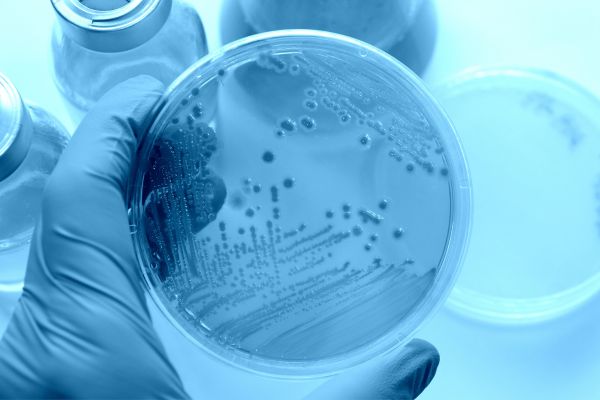
The beverage industry faces many microbiological challenges that threaten product quality, safety, and shelf life. Microorganisms, including bacteria, yeasts, molds, and spore-forming species, can enter the manufacturing process through raw materials, equipment, or the environment. As a result, effective control of these contaminants is critical to maintaining high standards in beverage production. This necessity has driven the development and application of UHT (Ultra-High Temperature) technology, ensuring product safety and protecting consumer health.
The primary microbial groups found in beverage production include:
- Pathogenic bacteria: Such as Salmonella and E. coli, can cause severe food borne illnesses.
- Spoilage microorganisms: Yeasts and molds are capable of causing fermentation, off-flavors, discoloration, and gas production.
- Spore-forming bacteria: Heat-resistant species like Bacillus and Clostridium can survive traditional pasteurization processes and spoil beverages over time.
The growth of microorganisms in beverages depends on factors such as pH, water activity, sugar content, and temperature. High-sugar, low-pH beverages, like fruit juices and flavored drinks, are especially prone to spoilage by yeast, molds, and some vegetative bacteria. In contrast, neutral pH drinks like milk and plant-based beverages are susceptible to pathogenic and spore-forming bacteria like Bacillus and Clostridium.
Mechanism of UHT in eliminating microorganisms
UHT technology works by subjecting beverages to temperatures between 135–150°C (275–302°F) for 2–5 seconds, followed by rapid cooling. This process targets and eliminates harmful microorganisms while preserving the sensory and nutritional properties of the beverage. The effectiveness of UHT lies in its ability to disrupt microbial structures at the cellular level.
During UHT (Ultra-High Temperature) processing, microorganisms are destroyed through advanced mechanisms that disrupt their core biological structures and functions. The high temperatures cause molecular-level damage, breaking down key components of microbial cells and rendering them completely inactive. This process can be expressed through three main effects: Protein denaturation, cell membrane damage, and DNA and RNA degradation.
Protein denaturation
Microorganisms rely on proteins to perform metabolic functions such as energy production and structural integrity. The high temperatures caused by UHT break hydrogen and ionic bonds in proteins, causing them to completely lose their functional configuration. It also inactivates the activity of key enzymes responsible for the growth and reproduction of microorganisms, rendering them incapable of supporting any cellular processes.
Cell membrane damage
Cellular membrane destruction occurs simultaneously with protein denaturation. The intense heat destabilizes the lipid bilayers that protect microbial cells, while membrane proteins undergo structural changes that compromise their function. These combined effects weaken and rupture the membrane, leading to the leakage of cellular contents. As a result, the microorganism can no longer maintain internal balance, leading to its destruction.
DNA and RNA degradation
Microbial DNA and RNA are vulnerable to extreme temperatures. The high temperature causes DNA and RNA molecules to break apart, disrupting the bonds between nucleotides. This prevents the microorganism from replicating or maintaining its genetic information. The damage to chromosomes is so severe that the cell can no longer recover. Therefore, UHT can effectively remove bacteria and microorganisms from beverages.
Benefits of UHT in microorganism control
Ultra-High Temperature (UHT) processing stands as a vital part of beverage production, offering several benefits that go beyond simple sterilization. By eliminating specific harmful and spoilage microorganisms, UHT ensures product safety, extends shelf life, and meets stringent international standards. Besides UHT, the chemical hydrogen peroxide (H2O2) is also used to sterilize equipment and packaging, ensuring that products after UHT are safe and not re-contaminated from the outside environment.
Food safety
UHT technology ensures food safety by effectively destroying harmful pathogens such as Salmonella, E. coli, Listeria monocytogenes, Clostridium botulinum, etc. These microorganisms are the primary cause of foodborne illnesses, but UHT’s high temperatures can inactivate and eliminate them, preventing bacterial spores from reproducing. By eradicating these and other pathogens, UHT guarantees the microbiological safety of beverages, significantly reducing the risk of consumer illness.
Extended shelf life
This processing extends shelf life by eliminating spoilage microorganisms such as Bacillus subtilis, Geobacillus stearothermophilus, acidophilic yeasts, and molds. These organisms are common in beverages like milk, juices, and teas, where they can produce off-flavors, discoloration, or gas. UHT technology can destroy heat-resistant spores and inactivate spoilage enzymes, allowing products to remain fresh, stable, and free of preservatives for six months to a year without preservatives or refrigeration.
Conforms to international standards
UHT processing complies with rigorous international food safety standards, such as HACCP, FDA, and ISO 22000. These standards require stringent control over production processes to eliminate contamination risks and ensure microbial sterility. By effectively sterilizing beverages and preventing post-process contamination, UHT meets these benchmarks, allowing manufacturers to produce export-ready products. This adherence not only ensures global market access but also builds consumer confidence by guaranteeing that UHT-treated beverages are safe, high-quality, and meet the health regulations of various countries.
Explore processing technology for beverage:
Choose the Right Beverage Processing Technology Based on pH Levels
Conclusion
UHT processing represents a pivotal technology in modern beverage production. It effectively eliminates harmful microorganisms, enabling manufacturers to deliver safe, high-quality products with a significantly extended shelf life. This method ensures product high quality and safety while enhancing consumer trust in the beverage brand. To learn more about UHT technology and the products processed using it, reach out to FGC for further information.
About Future Generation Co., Ltd
Future Generation Company Limited is one of the largest beverage suppliers in Vietnam, with 28 years of experience in production and export. FGC is equipped with modern machines such as Hotfill PET and TetraPak with UHT technology, ensuring good quality and high-capacity production. FGC strives to achieve our mission to become Vietnam’s leading healthy beverage company. Our factories also meet international standards such as ISO, HACCP, etc. In addition, we constantly innovate our machinery system, strengthen production capacity, and increase productivity.
FGC also provides Private Label Services. With this service, we can help customers research and formulate beverages, design product label packaging, and create their own brands. This is an ideal solution for small and medium enterprises. Moreover, FGC provides free samples for customers to test before bulk orders. We also ensure delivery as fast as possible.
Contact
Address: R4 building, Office Quarter 02, Royal City, 72A Nguyen Trai St., Thanh Xuan Dist., Hanoi.
Phone: +84 24 73 000 125/ +84 24 73 063 369
Mail: info@vietnam-tea.com
Website: https://oem-fgc.com/
Facebook: https://www.facebook.com/fgcvietnamtea
LinkedIn: https://www.linkedin.com/company/fgcvietnamtea/
Alibaba.com: https://fgcvietnam.trustpass.alibaba.com/
Source: Tetra Pak