Explore the growing private label herbal tea market and tap into the growing demand for health-conscious, natural beverages. Learning about the market trends and key factors for selecting a reliable supplier to create unique, high-quality blends will open a great opportunity for businesses to stand out in the industry.
Introduction
Herbal tea has been consumed for centuries, appreciated for its soothing qualities, wide variety of flavors, and numerous health benefits. In recent years, the demand for herbal tea has increased significantly, especially among consumers seeking natural alternatives to sugary beverages and those looking to enhance their well-being. As a result, private label herbal tea has emerged as a helpful strategy among businesses seeking to introduce their own brand of herbal teas, allowing them to cater to the unique preferences of their customers without the burdens of large-scale production.
Rising demand for herbal tea
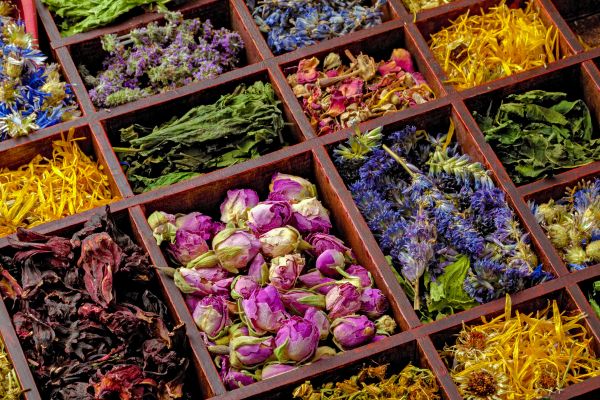
The worldwide interest in herbal tea has surged in recent years, largely due to an increase in consumer consciousness surrounding health and wellness. Unlike traditional teas that are made from the Camellia sinensis plant, herbal teas are an infusion or blend of various plants, herbs, spices, and flowers. These natural ingredients bring a diverse flavor and numerous health benefits.
The demand for herbal tea has seen a significant rise across the globe, with notable regions such as North America, Europe, and Asia-Pacific. In North America, the interest in herbal tea is driven by a heightened awareness of health as well as obesity and overweight issues in the region. Asia-Pacific, with a long tradition of tea drinking, has a rapid growth rate as the region’s consumers believe in the anti-aging and detoxifying properties and overall health-boosting of herbal tea. The increase in herbal tea demand can be attributed to several drivers besides the health-consciousness of consumers.
Growing demand for healthy products
A major factor contributing to the rising demand for herbal tea is the consumer preference for safe, chemical-free, and healthy products. Nowadays, herbal teas are grown using sustainable farming methods, devoid of pesticides, and safe for human consumption. Herbal teas like chamomile, peppermint, and rooibos are recognized for their anti-inflammatory, antioxidant, and digestive benefits. This meets the need of consumers for beverages that not only quench their thirst but also contribute to their health.
Increasing disposable income and expansion of the retail market
The growth in the working-age population, combined with a rise in disposable income, plays a significant role in driving the demand for herbal tea. Additionally, the expansion of the retail market, particularly through e-commerce platforms, allows consumers to effortlessly discover and buy herbal tea both domestically and internationally. The convenience of searching for herbal tea has made it more accessible to consumers, thereby further enhancing its popularity in today’s market.
The growth of the herbal tea market and private label herbal tea segment
The herbal tea market is growing strongly and shows no signs of slowing down. This growth also leads to development in the private label segment, which offers unique and promising opportunities for businesses looking to capitalize on the rising demand for herbal tea products.
Herbal tea market size
Similar to healthy products which are driven by increased consumer awareness regarding health and wellness, the herbal tea market has experienced remarkable growth over the last decade. Data Bridge Market Research shows that the value of global herbal tea was nearly USD 3.6 billion in 2022. This number is expected to reach USD 4.6 billion by 2030 and undergo a CAGR of 3.20% during the forecast period of 2023 to 2030. This upward trend highlights the remarkable opportunities available for businesses looking to enter or expand within this market.
Private label herbal tea segment
In this thriving market, the private label segment has been gaining considerable traction. Private label products, including private label herbal tea, have received increasing acceptance by consumers due to innovation and improvement in their quality. Today’s consumers are more willing to purchase private label products, viewing them as equal or superior to well-known brands in terms of quality and value. This shift in perception has opened up exciting opportunities for businesses to develop their own herbal tea lines.
Besides, prominent retailers like Whole Foods, Costco, and Trader Joe’s have introduced their private label tea brands, offering premium blends that attract customers caring about the environment and prioritize their health. There are also smaller boutique brands and e-commerce businesses that have also entered the market, adding to the expansion of this segment.
Several factors contribute to the growth of private label herbal tea, from the convenience it brings to businesses to cost effectiveness and profits increasing. Private label service provides businesses with many customization options, in terms of ingredients, flavors, and packaging, helping to meet the unique preferences of target customers. It also helps companies to significantly save investment costs for production equipment and focus their resources on promotion and sales.
Popular herbal tea varieties for private labeling
When entering the herbal tea market, it’s essential to understand the most popular varieties and their potential benefits. Companies need to consider both the taste preferences of their target market and the health benefits associated with different herbs. Below are some top-selling herbal tea varieties to think about for your brand.
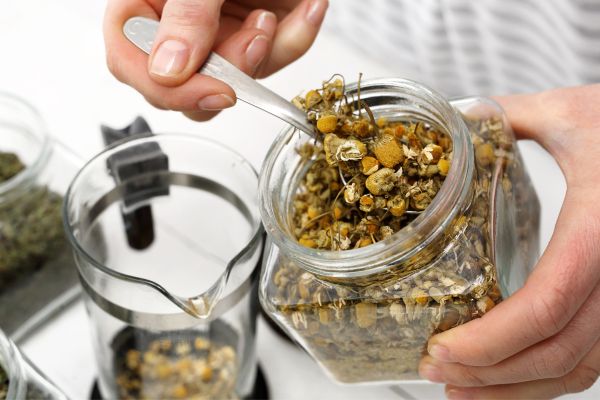
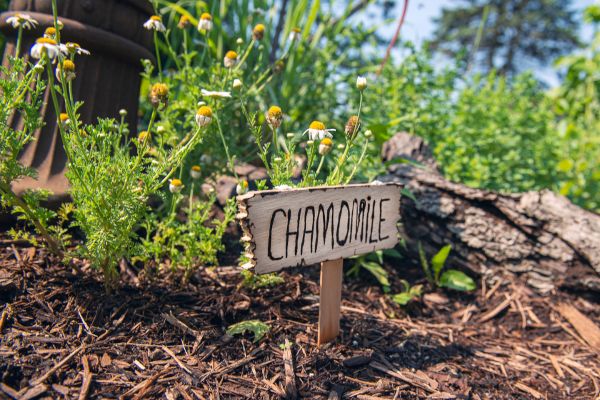
- Chamomile: Chamomile tea is widely recognized for its calming properties and is often used before bedtime to promote relaxation and improve sleep quality. Chamomile is also believed to aid digestion and reduce inflammation, making it a versatile addition to any private label tea line.
- Peppermint: With a refreshing, cooling flavor, peppermint is a favored choice for those who want to soothe digestive issues, relieve headaches, and boost energy levels. Its delightful aroma and taste appeal to many consumers, making it an essential addition to any private label herbal tea collection.
- Ginger: Ginger is packed with disease-fighting antioxidants and a spicy, warm flavor which is effective in alleviating nausea, reducing inflammation, and supporting digestive health. Herbal teas containing ginger are particularly popular during cold and flu season due to their perceived immune-boosting properties.
- Rooibos: Free of caffeine, rooibos tea is a great choice among consumers looking for a rich, full-bodied tea without caffeine. It also has the potential to support heart health and bone strength.
- Hibiscus: Hibiscus tea is loved not only for its vibrant red color and unique flavor but also for its high vitamin C content. It is believed to help lower blood pressure and boost the immune system, making it an attractive option for health-focused consumers.
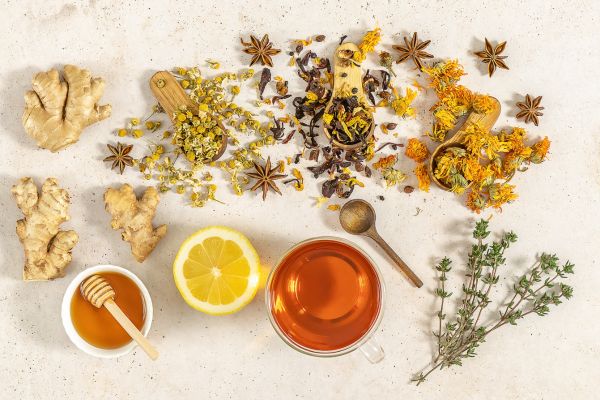
For private label herbal tea brands, creating unique blends can be an effective strategy to stand out in the crowded market. Several unique combinations of multiple herbs and flavors are gaining interest among consumers. For example, a “relaxation blend” containing chamomile and peppermint, or an “immune boost” blend featuring ginger and hibiscus. However, the success of a private label herbal tea line depends on both the selection of teas and choosing the right supplier. Let’s explore the key considerations in selecting a private label herbal tea supplier.
Considerations when choosing a private label herbal tea manufacturer
Selecting a private label herbal tea manufacturer goes beyond just considering product price, it requires a comprehensive evaluation of product quality and production capacity for a long-term relationship between the two parties. In addition, there are many factors businesses need to consider to choose a partner on their development path.
Quality and sourcing of ingredients
The foundation of any great tea is the quality of its ingredients. Businesses should choose a manufacturer that uses high-quality herbs and follows sustainable and ethical sourcing practices. Besides, a manufacturer with strong relationships with reputable suppliers will ensure a stable ingredient source and quality of each batch.
Manufacturing capabilities and standards
It is crucial to find a manufacturer that complies with Good Manufacturing Practices (GMP) and holds certifications such as HACCP, ISO 22000, or organic certifications. They should also use modern production equipment and techniques to produce herbal tea safely and consistently. In addition, depending on your business size and growth projections, you’ll need a supplier that can scale production up or down as needed.
Customization options
Look for suppliers who can offer flexibility to custom blends based on your specifications, options for different packaging formats, and customizable packaging design and materials. These customization options allow you to create a distinctive product line that stands out in the marketplace.
Pricing and payment terms
Although quality should be the main priority, pricing remains an important consideration. Seek out manufacturers with competitive prices that enable good profit margins. They should provide clear pricing structures without any hidden costs and offer flexible payment options that align with your business model. This transparency is essential to build a long-term relationship with your private label herbal tea manufacturer.
FGC – A reliable partner for private label herbal tea
If you’re looking for a trusted partner to develop your private label herbal tea products, FGC stands out as a reliable and experienced option. With 28 years of experience in the tea industry, we understand the changing customer demand and continuously research and innovate to bring practical solutions to your business. FGC offers an extensive selection of herbal tea varieties, including popular options like chamomile, peppermint, and ginger, as well as unique blends created to meet emerging consumer trends.
Stable and high-quality ingredient sources
FGC is dedicated to sourcing only the highest quality herbs from reputable suppliers both within the country and around the world. We prioritize establishing strong, collaborative relationships with local suppliers to ensure a consistent and fresh supply of our ingredients. Whether you are looking for organic varieties or unique, exotic herbs, FGC is well-equipped to assist you in sourcing them, ensuring that you receive only the best quality available.
High-capacity and well-controlled quality facilities
FGC owns a network of 15 tea factories throughout the country, with the largest facility spanning 60 hectares. This extensive infrastructure enables us to achieve an impressive annual tea output of approximately 20 thousand tons. Our factories are equipped with modern machinery with many production lines, from tea bags to ready-to-drink tea, providing a variety of choices for your herbal tea. Furthermore, the production process is always strictly controlled according to international standards such as ISO, FSSC, HACCP, etc, ensuring consistent and high-quality standards for each shipment.
Customization expertise
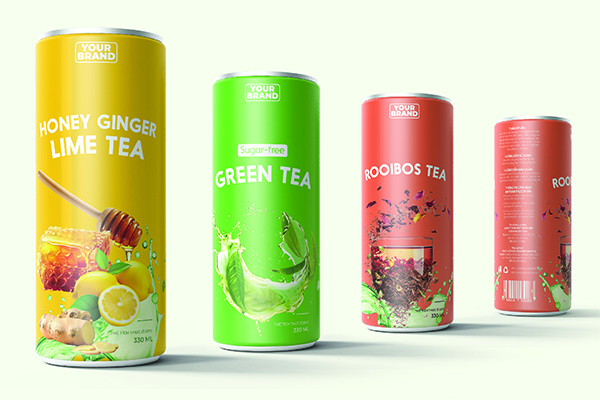
Understanding that each brand has unique requirements, FGC offers extensive customization options. Our dedicated team works closely with clients to create unique herbal blends and design visually stunning packaging that reflects their vision. Additionally, we provide a diverse selection of packaging solutions, including herbal tea bags, ready-to-drink herbal tea in cans, PET bottles, and Tetra Pak paper boxes. Cooperating with FGC, we will bring to you a comprehensive solution for you to reduce the burden of product production and focus on what truly matters – your brand’s success.
Conclusion
The herbal tea market presents a great opportunity for businesses looking to expand and gain more profits. As consumer demand for health-conscious, natural beverages continues to rise, now is the perfect time to develop a unique private label herbal tea line that aligns with your brand values and target market. By collaborating with a trusted and experienced manufacturer like FGC, you can ensure that your herbal tea products are top-notch in quality and unique in flavor to differentiate yourself in a competitive market.
Contact
Address: R4 building, Office Quarter 02, Royal City, 72A Nguyen Trai St., Thanh Xuan Dist., Hanoi.
Phone: +84 24 73 000 125/ +84 24 73 063 369
Mail: info@vietnam-tea.com
Website: https://oem-fgc.com/
Facebook: https://www.facebook.com/fgcvietnamtea
LinkedIn: https://www.linkedin.com/company/fgcvietnamtea/
Alibaba.com: https://fgcvietnam.trustpass.alibaba.com/
Source:
https://www.databridgemarketresearch.com/reports/global-herbal-tea-market
https://www.worldteanews.com/data-trends/fruit-and-herbal-tea-market-growing
https://www.healthline.com/nutrition/10-herbal-teas