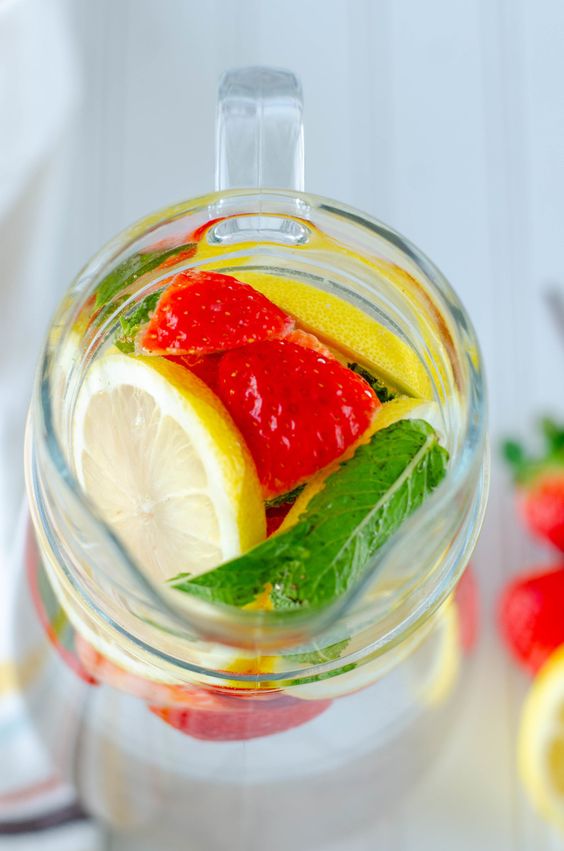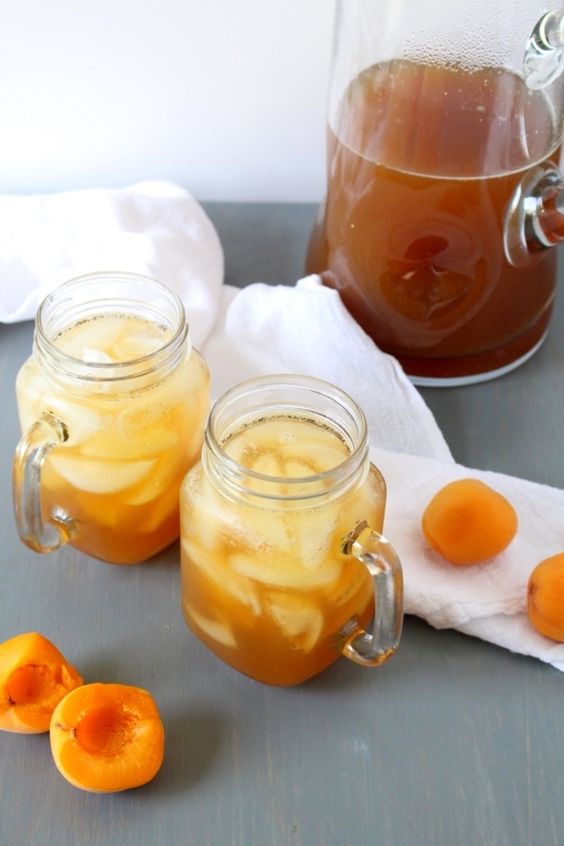
Have you ever wondered what creates the sweetness in your beverages? What types of sweeteners should you choose for them?
Introduction
Sweeteners play a crucial role in shaping the flavor, taste, appeal, and overall experience of beverages. From traditional sugar to modern natural and low-calorie alternatives, the beverage industry relies on sweeteners to achieve the desired taste and meet consumer demand. Understanding the most common types of sweeteners not only helps brands innovate products effectively but also enables customers to make informed decisions.
Why are sweeteners important in the beverage industry?
In the beverage industry, sweeteners are the additives that offer sweetness to drinks and define their taste profile. They are a crucial component of commercial beverage recipes, which give drinks their sweet flavor by enhancing their texture and taste. They help balance or even mask the sourness and bitterness, and make the drinks more enjoyable and appealing. Besides, sweeteners can help support product positioning. Depending on the types of sweeteners used, drinks can be labeled as regular, low-calorie, natural, or no-calorie beverages.
Regarding sweeteners, manufacturers often mention mouthfeel, which describes the texture and taste of the beverages. Common sweeteners like sugar and fructose can give viscosity and a smoother drinking experience. Different sweeteners bring different mouthfeels, and some even do not create any mouthfeel experience. For example, zero-calorie sweeteners cannot bring this, so manufacturers need to blend them with other ingredients to balance the flavors.
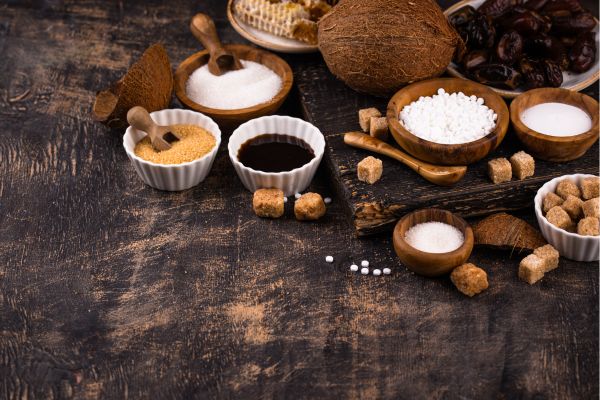
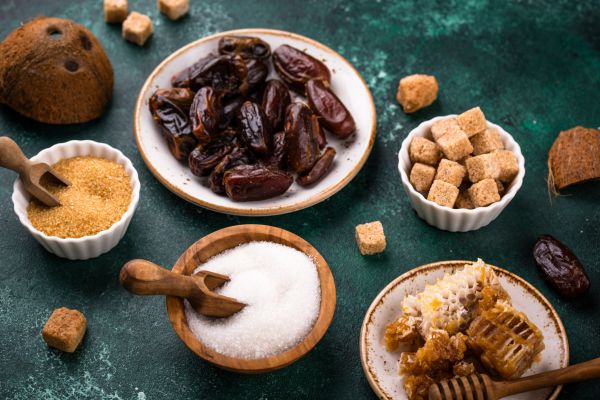
Sugar is often the most recognizable sweetener and is the standard by which other sweeteners are evaluated and compared. It is also the most prevalent option for many beverage manufacturers and has been added to drinks for centuries. Sugar, or sucrose, is a simple carbohydrate that appears naturally in all plants, like fruits, vegetables, and nuts. The sugar used in beverages is usually refined sugar, or table sugar, which has undergone an extraction and purification process. Some examples of refined sugars include white sugar, cane sugar, brown sugar, coconut sugar, and so on, which are often made from sugar cane and sugar beets.
What are the most common sweeteners in beverages?
Natural sweeteners
Cane sugar
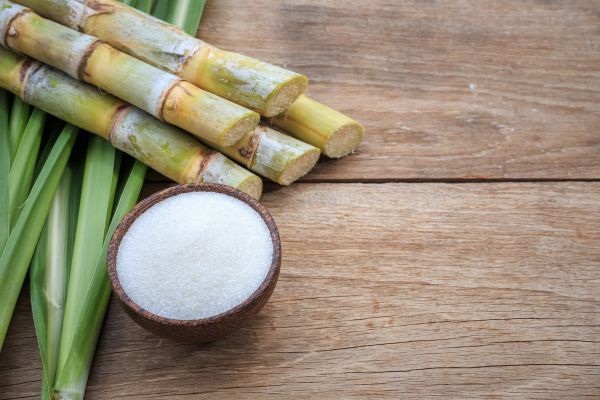
Cane sugar is a sweetener made from the stalks of the sugar cane plant. This plant is similar to bamboo and is cultivated in tropical regions. The juice from sugar cane stalks is extracted, clarified, evaporated, and crystallized to create raw sugar. Cane sugars can be categorized into three types: unrefined, raw, and refined. Generally, the less refined sugar can preserve more molasses flavor. When it is left with much flavor of molasses, it will bring brown sugar with a note of caramel and toffee.
Stevia leaf
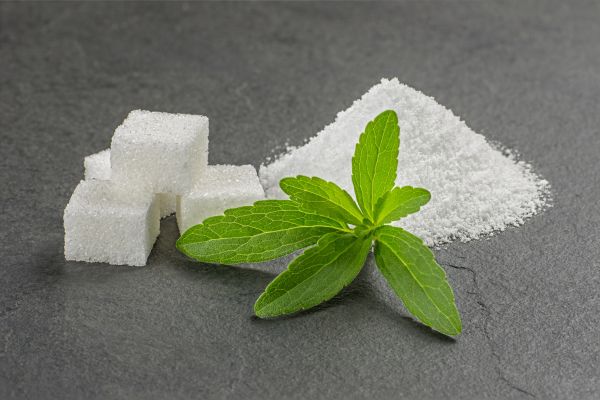
Stevia leaf is a natural sweetener derived from the leaves of the Stevia rebaudiana plant, originating from South America. Its sweetness is about 200 to 300 times higher than sugar, but it contains no calories or has no impact on blood sugar levels. Stevia has been used in beverages for centuries in many cultures, thanks to its resistance to heat and pH and non-fermentable characteristics. However, stevia leaves often have a short shelf life and a bitter aftertaste. The usage of stevia has increased rapidly recently, along with the rise of no-calorie drinks.
Monk fruit
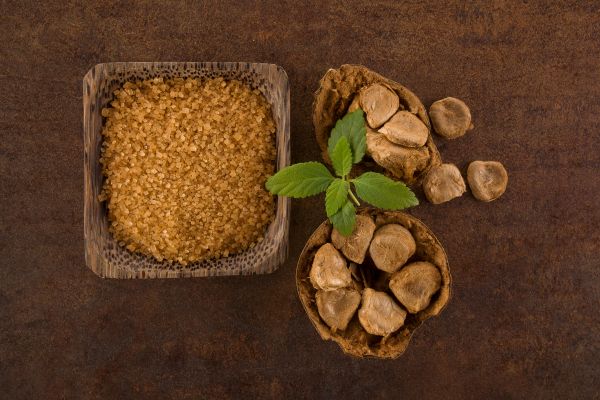
Monk fruit is a small, melon-like fruit that originates from Southern China. It is a traditional sweetener in Asian cultures, which is natural and contains no calories. While other fruits’ sweetness is from fructose sugar, the sweetness of monk fruit comes from mogroside. Thanks to this substance, monk fruit powder is about 100 to 250 times sweeter than sugar. It also may have anti-inflammatory and anti-cancer properties.
Allulose
Allulose is a natural sweetener that can be found in fruits like kiwi, figs, and raisins. It is chemically similar to fructose, but can be excreted in the urine. It has one-tenth the calories of sugar and is roughly 70% as sweet. This sweetener is considered nearly calorie-free because our bodies do not metabolize it for energy, leading to no impact on blood glucose and insulin. Allulose is also highly versatile and can be used in many products, including dairy products and carbonated drinks.
Erythritol
Erythritol belongs to the group of sweeteners called “sugar alcohols”, which can be found naturally in some fruits, like melons and pears. However, it can also be produced commercially via a fermentation process. Its sweetness is about 60 to 70% of sugar. Besides, erythritol has a slightly cooling effect, which can increase the refreshing experience of the beverages. Thanks to its synergistic properties, it is often combined with other sweeteners to increase the flavor of the drinks.
Honey
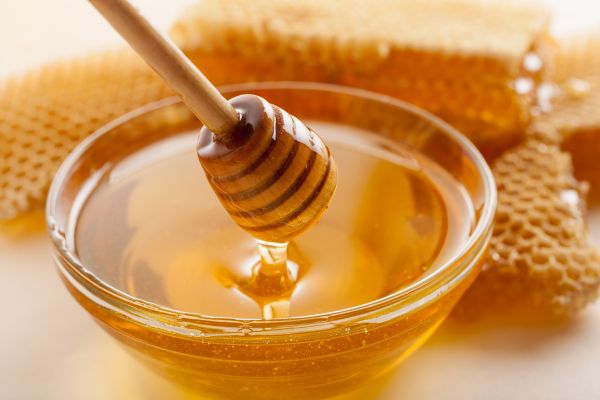
Honey is one of the most popular natural alternatives to sugar. It is an ideal option for organic, natural, and clean-label products. However, when added to beverages, it might affect the shelf life of the products. Honey can become vulnerable to quality changes, such as darkening, losing its pleasant flavor and scent, and may drop out of the solutions. Honey is high in sweetness intensity and calorie content.
Artificial sweeteners
High-fructose corn syrup
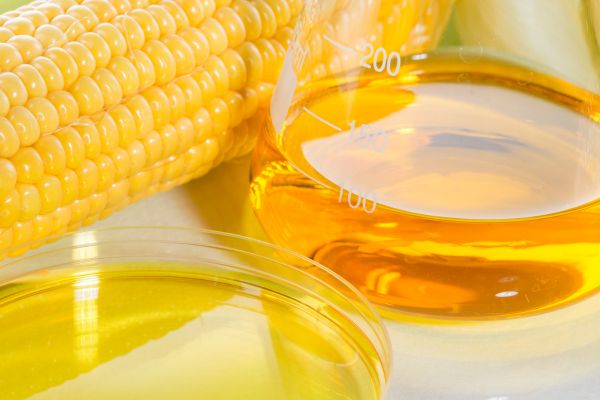
High-fructose corn syrup is a syrup derived from the starchy interior of corn grains, which have undergone enzymatic processes to turn some of their glucose into fructose. The corn starch, after being broken down, is added with enzymes to create the desired sweetness. There are many types of HFCS, depending on its ratio of fructose and glucose. HFCS provides the same amount of calories as cane sugar, at about 4 calories per gram. However, because of the high concentration of fructose in HFCS, it is considered to be more harmful and can cause increased fat storage and insulin resistance.
Aspartame
Aspartame is one of the most common artificial sweeteners in the world. It is created through a chemical synthesis process that includes two amino acids, phenylalanine and aspartic acid. Aspartame has been approved to be used as a sweetener in beverages since the 1980s. About 200 times sweeter than sugar, aspartame has been used mostly in diet beverages. Because of its high intensity of sweetness, the quantity required is too small, resulting in a small amount of calories.
Ace-K
Ace-K is an artificial sweetener that contains no calories and is about 200 times sweeter than sugar. It often appears on the labels with names like Acesulfame K, Acesulfame Potassium, or Ace-K. Because Ace-K has a slightly bitter aftertaste, it is often mixed with other sweeteners, such as sucralose and aspartame, to balance the flavor and make it taste more like sugar. These mixtures are commonly used in zero-sugar soft drinks or some sugar alternatives.
Get to know more about Beverage Manufacturing process:
Conclusion
Depending on the company’s market and strategies, manufacturers can choose among many different natural and artificial sweeteners. Each of them will have its own advantages and disadvantages, with different sweetness and calorie content. Moreover, manufacturers can blend several types of sweeteners to get their desired taste, price, and calorie amount.
About Future Generation Co.,Ltd
Future Generation Company Limited is one of the largest beverage suppliers in Vietnam, with 30 years of experience in production and export. FGC is equipped with modern machines, such as Hotfill PET and TetraPak, ensuring high-capacity production. We strive to achieve our mission to become Vietnam’s leading healthy beverage company. Our factories also meet international standards, such as FSSC, ISO, HACCP, etc. In addition, we constantly innovate our machinery system, strengthen production capacity, and increase productivity.
FGC also provides Private Label Services. With this service, we can help customers to research and formulate beverages, design product labels and packaging, and create their own brands. This is an ideal solution for small and medium enterprises. Moreover, FGC provides free samples for customers to test before bulk orders. We also ensure delivery as fast as possible.
Contact
Address: R4 building, Office Quarter 02, Royal City, 72A Nguyen Trai St., Thanh Xuan Ward, Hanoi.
Phone: +84 24 73 000 125/ +84 24 73 063 369
Mail: info@vietnam-tea.com
Website: https://oem-fgc.com/
Facebook: https://www.facebook.com/fgcvietnamtea