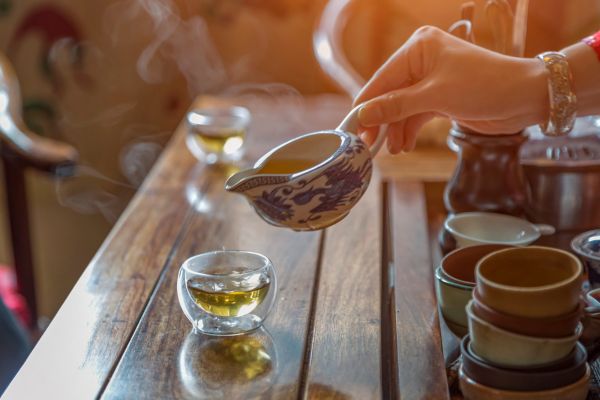
Can tea dehydrate you? Find out the science behind tea, caffeine, and hydration, plus the best ways to enjoy your favorite brew.
Introduction
Tea is one of the most popular beverages worldwide due to its rich flavors, health benefits, and comforting warmth. However, many people wonder: Can tea dehydrate you? This concern stems from the fact that tea contains caffeine, which is known for its diuretic properties. In this article, we will explore whether drinking tea can lead to dehydration, the effects of different types of tea, and how to enjoy tea without worrying about hydration issues.
Understanding hydration and dehydration
Hydration is essential for overall health, as water plays a crucial role in digestion, circulation, temperature regulation, and cellular functions. Up to 60% of the human adult body is water. It is vital for energy levels, cognitive function, and overall well-being. Staying hydrated is essential for:
- Regulating body temperature by sweating and respiration.
- Supporting digestion and nutrient absorption because water aids in breaking down food and facilitating its absorption into the bloodstream.
- Detoxification and waste removal from the body through urine.
- Cognitive performance and mood.
Dehydration occurs when the body doesn’t have enough fluid or when it loses more fluids than it takes in. It may happen when you are not drinking enough fluids throughout the day or excessive sweating due to intense physical activity or high temperatures. It also occurs if you are sick with fever, diarrhea, or vomiting. Besides, diuretic substances in certain foods, medications, and beverages, such as alcohol and caffeinated drinks, can increase urine production, leading to fluid loss. So, can tea dehydrate you?
Can tea dehydrate you?
Tea is mostly water, meaning it contributes significantly to overall fluid intake. While caffeine may have a mild diuretic effect, the hydrating benefits of tea outweigh any potential fluid loss. Studies suggest that tea can be as hydrating as water, especially when consumed in moderation.
The role of caffeine
Tea naturally contains caffeine, a stimulant that can have mild diuretic effects. Caffeine increases urine production by boosting blood flow to the kidneys, prompting them to remove more water from the body. This effect can cause you to urinate more frequently, affecting your hydration more than non-caffeinated beverages. However, scientific studies suggest that moderate caffeine consumption does not lead to significant fluid loss that would result in dehydration.
Scientific studies on tea and hydration
Multiple studies have investigated the impact of tea and caffeine on hydration. Research published in the American Journal of Clinical Nutrition found that consuming moderate amounts of caffeine (equivalent to about 3-4 cups of tea per day) does not cause excessive fluid loss compared to water. The body adapts to regular caffeine consumption, reducing its diuretic effect. This means that for most people, drinking tea contributes positively to their daily hydration needs.
The effects of different teas
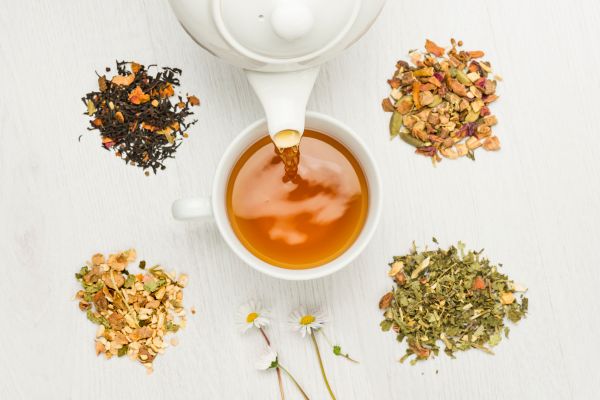
Not all teas have the same effect on hydration. Different teas contain different amounts of caffeine and other ingredients, so their impacts on hydration vary. Can tea dehydrate you? Explore which type of tea can cause dehydration.
Caffeinated teas
Caffeinated teas, such as black, green, white, and oolong varieties, are made from the leaves of the Camellia sinensis. Generally, tea provides 16–19 mg of caffeine per gram. The caffeine amount can vary from batch to batch or depending on the manufacturing process or how the tea is brewed.
Black and oolong tea contain the highest amount of caffeine ranging from 38-50 mg per 8-ounce cup. Green tea has around 30 mg of caffeine per cup. Whereas, white tea contains around 15% less caffeine than traditional green tea. Though tea is lower in caffeine than other caffeinated beverages, drinking large quantities could affect your hydration.
Herbal teas
Herbal teas are blends of herbs such as chamomile, rose, peppermint, etc. These are made from the leaves, stems, flowers, seeds, roots, and fruits of various plants. These herbal blends don’t contain leaves from the Camellia sinensis plant. Therefore, they are caffeine-free or contain minimal caffeine, such as less than 12 mg per serving or none at all.
Since herbal teas are naturally caffeine-free and don’t have diuretic properties, they do not contribute to dehydration. Instead, they serve as an excellent alternative to regular mineral water, providing both hydration and a soothing beverage option.
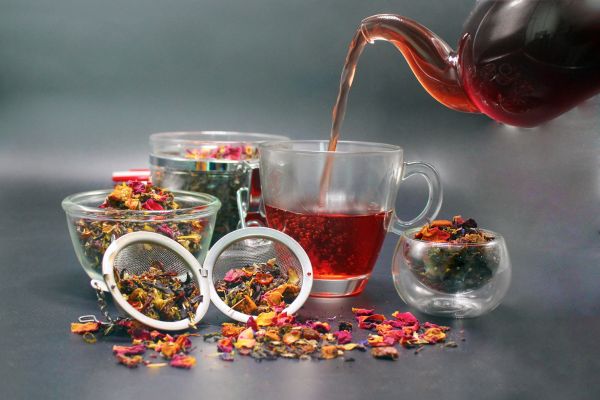
How to enjoy tea without dehydration concerns?
While tea does not significantly contribute to dehydration, there are ways to optimize its consumption to maintain proper hydration levels. Choosing teas with lower caffeine content, such as white or herbal teas, can help minimize any diuretic effects. Paying attention to personal hydration needs and adjusting tea consumption accordingly can help individuals enjoy tea without concerns about dehydration.
- Drink tea in moderation
Moderate tea consumption (3-5 cups per day) provides hydration without adverse effects. Excessive intake, particularly of highly caffeinated teas, may lead to increased urine production, though it is unlikely to cause severe dehydration.
- Choose lower-caffeine or herbal teas
If you are sensitive to caffeine, choose green tea, white tea, or herbal tea. These options provide hydration and additional health benefits without the potential for increased urine output.
- Pair tea with water intake
Balancing tea consumption with water intake ensures optimal hydration. If you drink several cups of tea daily, complement it with a few glasses of plain water.
- Monitor your body’s response
Each person reacts differently to caffeine. If you notice signs of dehydration, such as dry mouth, headaches, or dizziness after drinking tea, consider reducing your intake or switching to caffeine-free alternatives.

Conclusion
Despite common misconceptions, tea is unlikely to have any dehydrating effects when consumed in moderation. While caffeine has mild diuretic properties, the water content in tea contributes positively to hydration. To enjoy tea without dehydration concerns, drink it in moderation, choose lower-caffeine varieties like green tea or herbal tea, and balance your intake with water. Ultimately, tea remains a hydrating and beneficial beverage that can be a valuable part of a healthy lifestyle.
About Future Generation Co., Ltd
Future Generation Company Limited is one of the largest beverage suppliers in Vietnam, with 28 years of experience in production and export. FGC is equipped with advanced homogenization devices and modern machines such as Hotfill PET and TetraPak with UHT technology, ensuring good quality and high-capacity production of tea. FGC strives to achieve our mission of becoming Vietnam’s leading healthy beverage company. Our factories also meet international standards such as ISO, HACCP, etc. In addition, we constantly innovate our machinery system, strengthen production capacity, and increase productivity.
FGC also provides Private Label Services. With this service, we can help customers research and formulate beverages, design product label packaging, and create their own brands. This is an ideal solution for small and medium enterprises. Moreover, FGC provides free samples for customers to test before bulk orders. We also ensure delivery as fast as possible.
Contact
Address: R4 building, Office Quarter 02, Royal City, 72A Nguyen Trai St., Thanh Xuan Dist., Hanoi.
Phone: +84 24 73 000 125/ +84 24 73 063 369
Mail: info@vietnam-tea.com
Website: https://oem-fgc.com/
Facebook: https://www.facebook.com/fgcvietnamtea
LinkedIn: https://www.linkedin.com/company/fgcvietnamtea/
Alibaba.com: https://fgcvietnam.trustpass.alibaba.com/
Source:
https://www.usgs.gov/special-topics/water-science-school/science/water-you-water-and-human-body
https://www.healthline.com/nutrition/does-tea-dehydrate-you
https://www.verywellhealth.com/does-tea-dehydrate-you-8711431