Understanding the factors affecting beverage shelf life can help manufacturers find the ideal solutions to extend it as well as optimize production costs.
Introduction
If you look at any beverage label, you can see a number indicating its shelf life. However, beverage shelf life is more than just a number; it is a critical component of product quality and brand trust. So, why is beverage shelf life important, and what exactly affects it? Let’s explore the key factors in this article.
What is beverage shelf-life?
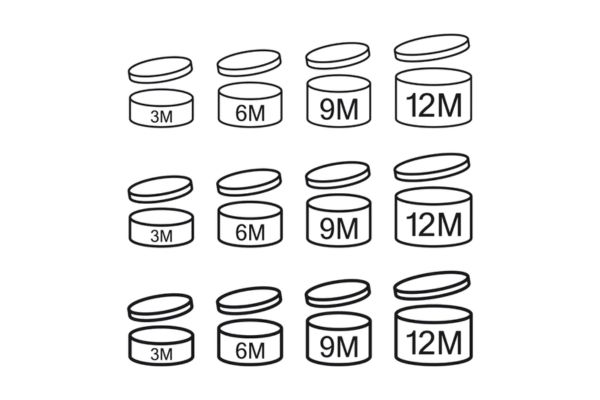
Beverage shelf life is the length of time that a product can be stored and consumed without a major loss in quality or functionality. During this time, its taste, texture, color, and nutritional value do not change significantly, making it safe for customers. However, even though it is stored properly, a product can deteriorate after this time.
The shelf life of a beverage often counts when it is prepared or manufactured. It differs from the expiration date, which marks the date after which a product should no longer be safe to consume. Shelf life is the basis for manufacturers to determine the expiration date of products. Specific regulations and standards apply to each beverage regarding the use of “expiration date,” “sell-by,” or “best-by” dates.
Why is beverage shelf-life important?
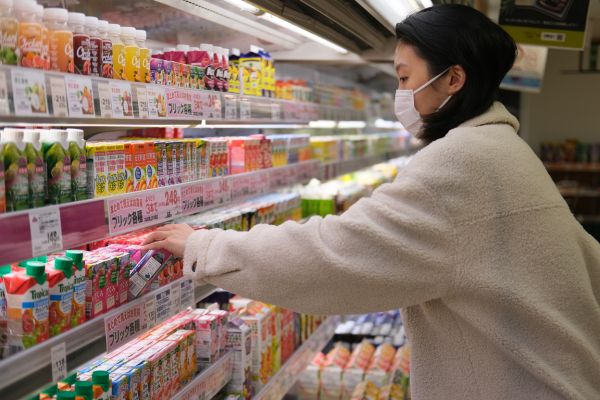
Beverage shelf life is a crucial indicator for both manufacturers and consumers. Manufacturers are in charge of determining a product’s shelf life. Understanding this number helps them make wise decisions regarding production, raw materials, storage, and packaging to ensure final product quality and compliance with legal requirements.
Reading and understanding the beverage shelf life will help consumers make safer choices for their health. However, consumers should be aware that beverage shelf life is only considered valid if it is intact and undamaged. Carefully considering a product’s shelf life to suit your needs before purchasing can also help avoid unwanted waste.
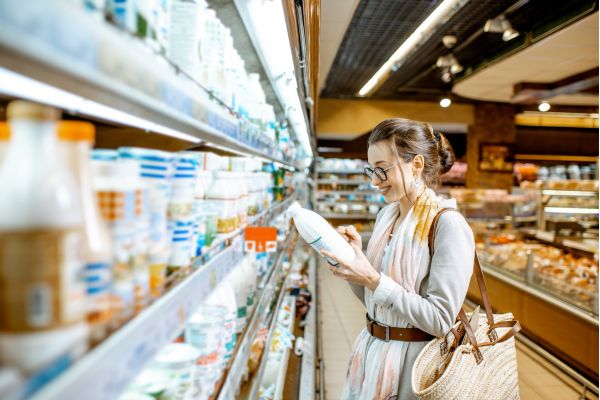
What are the factors affecting beverage shelf life?
Several factors affect beverage shelf life, including packaging, storage conditions, formulation, processing, and consumer handling.
Packaging
Packaging is crucial in maintaining beverage shelf life because it acts as a protective barrier against external factors. Many products are sensitive to light, oxygen, or moisture, which can influence their shelf life. Proper packaging can reduce a product’s reaction to these factors. For example, if interacting with light for a long time, milk can be oxidized, leading to off-taste and vitamin degradation. Therefore, dairy products are often packed in carton paper boxes for better light protection.
The most common beverage packaging materials are tinned cans, plastic bottles, carton paper boxes, and glass bottles. Each type has specific properties to suit different drinks. In addition to packaging materials, proper sealing should be paid attention. An airtight sealing can help maintain the integrity of the beverage because exposure to oxygen can lead to oxidation, off-flavors, or nutrient degradation. It also avoids contamination and spoilage during transportation. Therefore, choosing a suitable material and ensuring sealing integrity can help maintain and even lengthen product shelf-life.
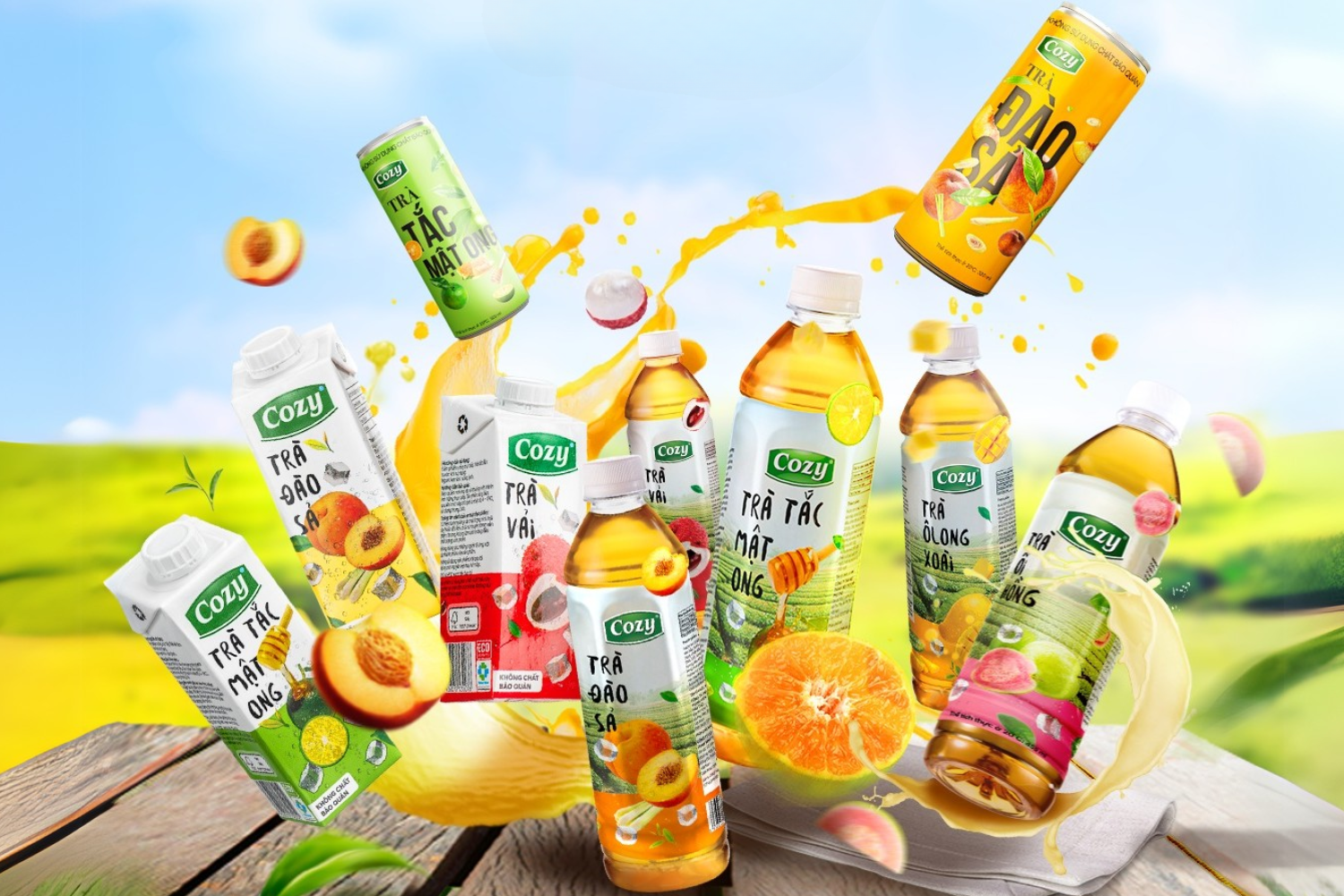
Storage conditions
Although the beverage may have been packaged in suitable packaging, its shelf life will still be affected by storage conditions. Too high temperatures can increase the speed of chemical reactions and microbial growth. Microorganisms can cause the beverage to ferment, deteriorate, or undergo unexpected changes in quality.
Moreover, light exposure can cause color loss and change the product’s flavor, especially those sensitive to light. Additionally, manufacturers need to manage the humidity level in the store. While insufficient humidity can cause the beverage to become dehydrated, high humidity levels can encourage microbial development and spoilage.
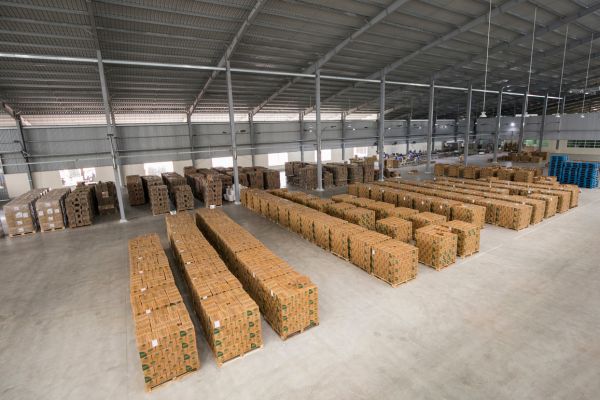
Product formulation and ingredients
The formulation and ingredients are the foundation of a product. How long it will stay fresh and safe to drink depends largely on the types and quality of raw materials. Those made from natural ingredients often have a shorter shelf life because of their higher risk of microbial growth. Low-quality input ingredients can change the taste, color, texture, and nutrient profile, shortening product shelf life. Some preservatives and additives, such as potassium sorbate and sodium benzoate, are sometimes added to the formulas to help products last longer.
In addition, the pH levels of a beverage can impact microbial growth and some materials’ stability. Acidic drinks with lower pH levels, like lemon tea or soda, often inhibit the development of microorganisms. Sugar in beverage formulas can work as a preservative and extend beverage shelf life. This is because sugar can lessen water activity, which makes it harder for bacteria to grow and harm the beverage.
Product processing
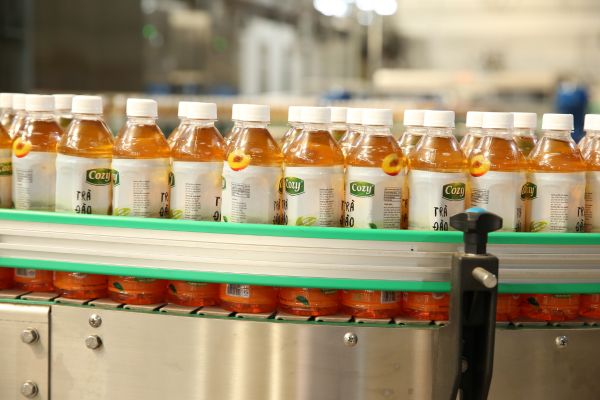
How a beverage is processed also affects its shelf life. The hot-filling technique uses the product temperature when heated to sterilize the internal surface and kill microorganisms. Besides, UHT sterilization technology can help sterilize the drink and eliminate bacteria, yeasts, and molds. Regarding juices and some teas, manufacturers often apply pasteurization methods, which can kill most bacteria. By removing the microorganisms that could cause spoilage, those techniques can extend beverage shelf life without preservatives.
At FGC, our factories are equipped with cutting-edge hot-filling and aseptic-filling lines. Therefore, we are confident to provide long shelf-life products without preservatives.
What to know more about beverage manufacturing:
Consumer handling
Beverage shelf-life is determined and impacted not only by manufacturers but also consumers. The storage conditions of a drink can be changed after transferring from the store to the customer’s house. Therefore, consumers should follow the storage instructions labeled on the products to extend their shelf life. Besides, storing opened beverages in the refrigerator can help prevent soiling and preserve their quality for longer.
Conclusion
Understanding and controlling product shelf life is key to long-term success in the increasingly competitive beverage market. This indicator can be impacted by many factors, including packaging, storage conditions, formulation, processing, and customer handling. Based on these factors, manufacturers should adopt a comprehensive strategy to maximize shelf life without sacrificing quality, safety, or consumer satisfaction.
About Future Generation Co.,Ltd
Future Generation Company Limited is one of the largest beverage suppliers in Vietnam, with 30 years of experience in production and export. FGC is equipped with modern machines such as Hotfill PET and TetraPak, ensuring high-capacity production. FGC strives to achieve our mission to become Vietnam’s leading healthy beverage company. Our factories also meet international standards such as FSSC, ISO, HACCP, etc. In addition, we constantly innovate our machinery system, strengthen production capacity, and increase productivity.
FGC also provides Private Label Services. With this service, we can help customers in researching and formulating beverages, designing product label packaging, and creating their own brands. This is an ideal solution for small and medium enterprises. Moreover, FGC provides free samples for customers to test before bulk orders. We also ensure delivery as fast as possible.
Contact
Address: R4 building, Office Quarter 02, Royal City, 72A Nguyen Trai St., Thanh Xuan Dist., Hanoi.
Phone: +84 24 73 000 125/ +84 24 73 063 369
Mail: info@vietnam-tea.com
Website: https://oem-fgc.com/
Facebook: https://www.facebook.com/fgcvietnamtea