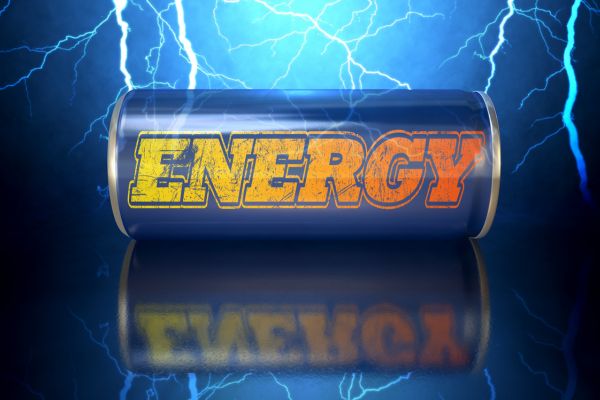
As we still require energy, the sales of energy drink market are expected to continue increasing. Have you wondered what trends are shaping the global energy drink market?
Introduction
The energy drink market is expected to keep expanding, but this does not imply that consumers are always satisfied with the same old energy drinks. Changes in habits, lifestyles, and cultures will lead to new emerging trends, causing the market to innovate constantly. Understanding the latest trends can help your business plan timely, effective strategies and stay competitive.
Overview of energy drink markets
The energy drink market sales reached over US$22 billion in 2024, increasing by nearly 10% over the previous year, according to NIQ. North America remains the market leader, while the Asia Pacific is expected to grow the fastest, driven by the increased disposable incomes and shifts in consumer habits. These figures reflect the strong growth of energy drinks in the ready-to-drink aisle. The increasing demands of people who need to stay productive contribute to the rise of energy drink consumption. Market leaders, such as Red Bull and Monster, have consecutively recorded high revenues in international markets. However, there are many niches for small and medium businesses to enter this market.
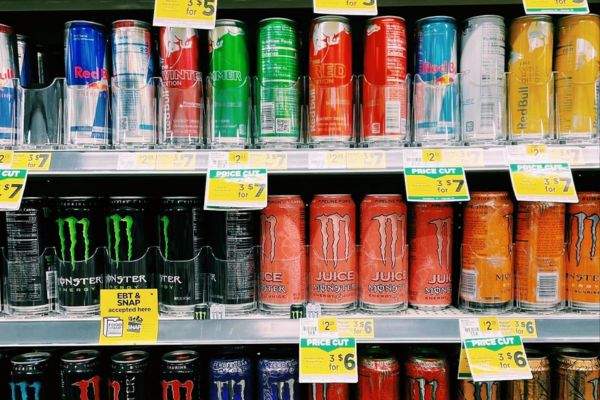
Energy drinks often contain caffeine, vitamins, and other substances that can rapidly boost energy levels. They can be carbonated or uncarbonated. However, consumers’ needs have changed constantly. In addition to traditional energy drinks, the market is also witnessing the emergence of natural, organic, or low-sugar products to meet customers’ demands. Those beverages are available in convenience stores, supermarkets, and on online platforms.
The energy drink market has been significantly impacted by the COVID-19 pandemic, as people sought ways to boost their energy levels. With energy-boosting properties, these beverages are a quick and convenient solution.
The latest trends in the energy drink market
Health and wellness demands
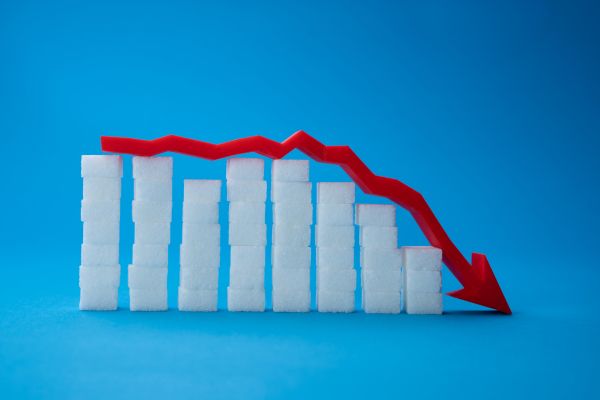
The emerging focus on health after the pandemic not only increased energy drink consumption but also led to a rise in the need for healthier beverages. Although traditional energy drinks continue to be the most popular, consumption of better-for-you options experiences the fastest growth in 2023 and 2024. One of the most prominent trends is cutting or shifting away from sugar to natural sweeteners, such as honey and stevia. According to NIQ statistics, when purchasing food and beverages, 30% of consumers look for low-sugar options, while 29% seek options with no added sugar.
Besides boosting energy levels, consumers are seeking energy drinks with other functional benefits, such as enhanced hydration and mental health. Many energy drink brands have launched products with added performance and recovery compounds, like creatine and electrolytes. It is aimed at attracting customers by helping them build an active and healthy lifestyle. Additionally, consumers’ rising concern about sleep quality affects caffeine moderation, promoting brands to make adjustments to better suit their target customers. Additionally, zero-calorie options, added vitamins, reduced caffeine content, and natural ingredients are sought after among consumers when choosing energy drinks.
Innovation
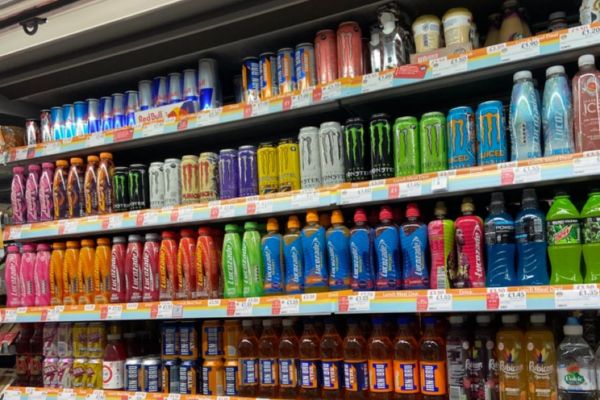
Energy drink manufacturers must continually innovate to stay ahead of market changes and evolving customer demands. In 2024, over 250 new products were introduced in the energy drink category, many featuring distinctive functional claims and ingredients. Because buyers’ criteria differ among demographics and continue to evolve, innovation can help energy drink manufacturers remain relevant. In addition to traditional flavors, such as lemon, lime, orange, and berry, many brands have researched and launched unique flavors, helping them stand out from the competition.
The diversity of target customer segments
Traditionally, energy drink brands have targeted a specific consumer segment. However, the products have been constantly innovated to suit a wider range of customer groups, especially younger generations. Targeting Gen Z consumers presents numerous opportunities, as they tend to opt for energy drinks over alcohol when socializing. By combining energy drinks with tea or coffee, adding functionality, reducing sugar and calories, and focusing on specific events, energy drinks have gained popularity among a broader demographic audience.
Distribution channel expansion
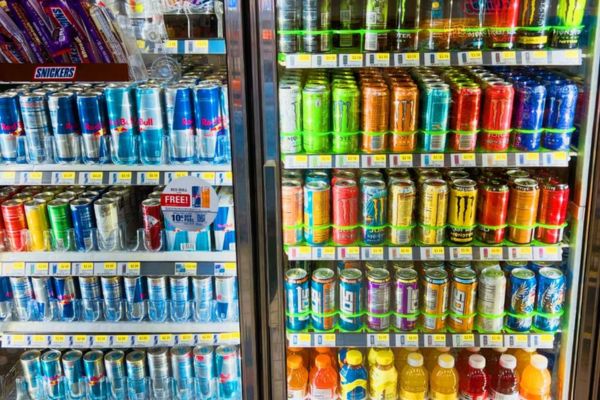
Energy drink sales are increasing globally, but the growth rates vary among different distribution channels. Besides, with each channel, consumers are approaching and making purchases differently. For example, 82% of energy drink buyers planned their purchases before coming to the convenience stores, while only 73% of buyers in the mass channel planned it. Therefore, depending on the distribution channels, energy drink brands should apply different promotional methods. Additionally, online purchases are increasing significantly because of their convenience and competitive pricing.
Lifestyle-oriented branding
The energy drink market currently targets particular lifestyles, such as those of professionals, gamers, students, or gym goers. In particular, gaming culture has significantly influenced energy drink production, marketing strategies, and customer engagement. Energy drink brands, like Rogue Energy and G FUEL in Japan and the US, have developed new products with some specific ingredients and vitamins to improve gaming performance. Brands are also constantly seeking and collaborating with social media influencers to help connect with niche communities.
Understanding gas application in the beverage industry:
Explore the most common gas applications in the food and beverage industry
Conclusion
The energy drink market is evolving rapidly, with numerous opportunities for brands. The target customers are getting wider with the constantly launched new flavors. Besides, consumers are more health-conscious and looking for healthier options with low sugar and calories. Moreover, strategies on distribution channels and marketing also remarkably affected the sales of energy drinks.
About Future Generation Co.,Ltd
Future Generation Company Limited is one of the largest beverage suppliers in Vietnam, with 30 years of experience in production and export. FGC is equipped with modern machines such as Hotfill PET and TetraPak, ensuring high-capacity production. FGC strives to achieve our mission to become Vietnam’s leading healthy beverage company. Our factories also meet international standards such as ISO, HACCP, etc. In addition, we constantly innovate our machinery system, strengthen production capacity, and increase productivity.
FGC also provides Private Label Services. With this service, we can help customers in researching and formulating beverages, designing product label packaging, and creating their own brands. This is an ideal solution for small and medium enterprises. Moreover, FGC provides free samples for customers to test before bulk orders. We also ensure delivery as fast as possible.
Contact
Address: R4 building, Office Quarter 02, Royal City, 72A Nguyen Trai St., Thanh Xuan Ward, Hanoi.
Phone: +84 24 73 000 125/ +84 24 73 063 369
Mail: info@vietnam-tea.com
Website: https://oem-fgc.com/
Facebook: https://www.facebook.com/fgcvietnamtea
LinkedIn: https://www.linkedin.com/company/fgcvietnamtea/
Alibaba: https://fgcvietnam.m.trustpass.alibaba.com/
Sources:
https://nielseniq.com/global/en/insights/education/2024/energy-drink-trends/