What are the advantages and disadvantages of single-stage vs two-stage blow molding? How do you choose the right method?
Introduction
Choosing the right blow molding method is vital for the business operations. It can affect the total cost, production capacity, and packaging quality, impacting business strategy. In this article, let’s explore the two methods – single-stage and two-stage blow molding – and find out which one will suit your business.
Overview of blow molding
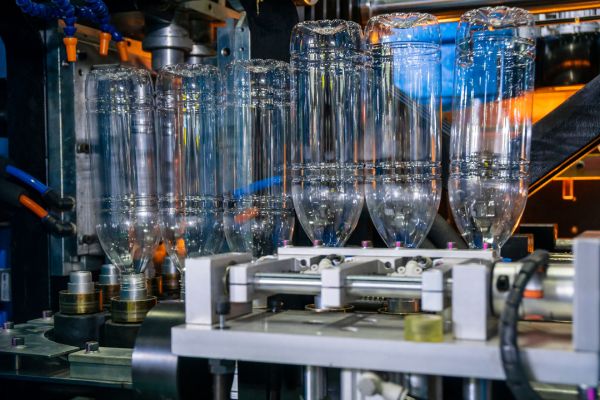
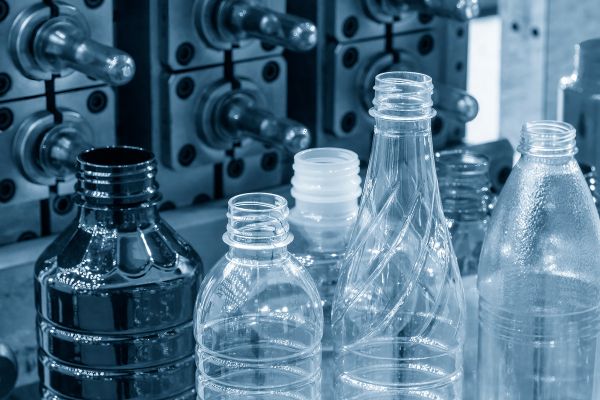
Blow molding is a crucial step in producing bottle packaging. It involves turning plastic material into desired shapes by introducing hot air into a heated plastic tube, often called a preform. When heated, the plastic is formed to the mold’s shape and then cooled to the finished bottle.
The blow molding process can be divided into two categories: single-stage and two-stage blow molding. Each method has distinctive characteristics and applications. Opting for a suitable method for your products can help reduce the packaging cost and attain higher production capacity.
What to know about blow molding process:
Single-stage blow molding
Single-stage blow molding is the method in which the preforms are made, stretched, and blown on the same machine before cooling.
Process
- Firstly, the PET materials are dehumidified and dried.
- The plastic resin is melted and injected into a preform mold to create a preform by quickly reducing the temperature.
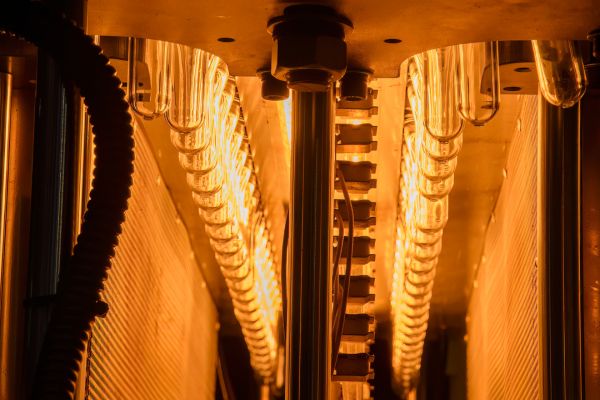
- The preform is then reheated and conditioned to attain a consistent temperature distribution.
- The preform is put into a mold and stretched into the expected bottle shape by introducing hot air.
- The finished bottle is allowed to cool down and taken out from the mold.
Advantages of single-stage blow molding
During the single-stage blow molding, finished bottles are created in a controlled environment. Therefore, contamination risk through transportation is reduced, and the bottles can maintain a clean and glossy surface and a consistent quality. As a result, the single-stage process is suitable for low to medium-volume production with high aesthetic requirements and variable designs.
Because preform molding and bottle blowing are processed in the same machine, the system is compact and saves more space for the factories. Besides, this method can save the cost of transportation and storage of semi-finished products, as well as the space in the factory. Since the preforms are not cooled, less energy is required to reheat them before blowing.
Disadvantages of single-stage blow molding
Because the two processes take place continuously, it is more difficult to check the quality of the preforms before blowing. Therefore, the operator must have technical expertise and strictly control the processes to avoid material waste. Compared to the two-stage blow molding process, the single-stage method has a longer cycle time and lower production speeds, which is not ideal for mass production.
Two-stage blow molding
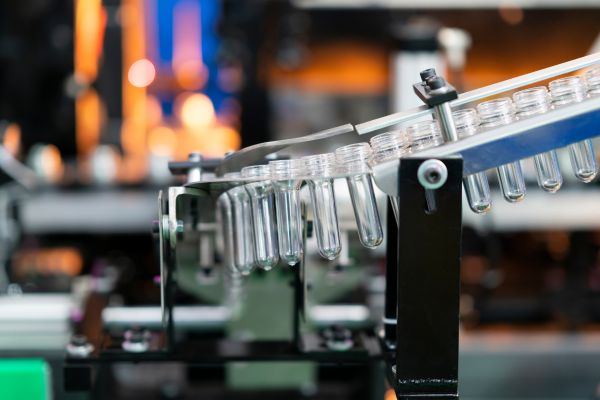
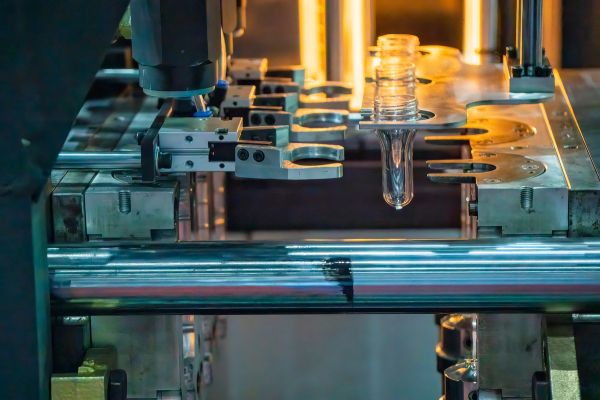
The two-stage blow molding separates the preform production from the bottle-blowing process. Therefore, it requires two machines: an injection molding system and a stretch blow molding machine.
Process
- The plastic resin materials are dehumidified and dried before being put into the machine.
- They are melted and injected into a preform mold.
- The finished preforms are fully cooled down and transferred to the second machine.
- In the second machine, the preforms are reheated to the expected temperature.
- Then, they are placed in the mold. Hot air is introduced and causes the preforms to stretch into the desired shape.
- After cooling down, the mold is opened to get the bottles.
Advantages of two-stage blow molding
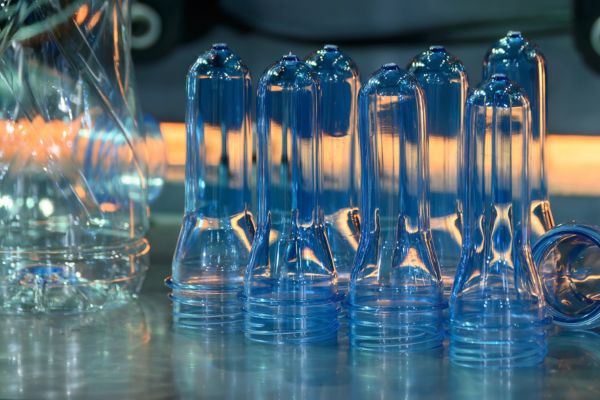
Two-stage blow molding is flexible in the production process since manufacturers can produce preforms in large quantities and save them for later use. The quality of performs is also easier to check and control before blowing, reducing the material waste proportion. Moreover, it can open up new business opportunities as the preforms and bottles can be sold separately to third parties. Many manufacturers do not need to equip a preform production machine because they can purchase semi-finished products from other businesses.
If not used immediately, preforms are easier to store and require less space than finished blown bottles. Besides, because preforms can be produced and stored separately, blow molding machines can run continuously, increasing production speed. As a result, this method is more cost-effective for high-volume production to maximize efficiency and minimize downtime.
Disadvantages of two-stage blow molding
Because preform production and bottle blowing processes are separated, manufacturers might need more cost for transportation and storage of preforms before blowing. In addition, the transportation process may scratch the surface of the preforms, affecting the final quality of the bottles. Preforms also witness a higher risk of damage while being stored and transported.
Choosing the right blow molding process
In order to choose suitable blow molding methods, manufacturers should consider several factors, including production volume, packaging precision, and production cost.
If your product packaging requires high aesthetic requirements, a single-stage blow molding process will suit your business better. Besides, it is more suitable for production with lower volumes and custom designs. The single-stage blow molding machine is more compact and requires less space in the manufacturing plants.
Meanwhile, the two-stage mold blowing is ideal for high-volume production since it is more financially friendly and has a higher production capacity. This method is also flexible in product size and design. The initial budget for equipment investment is lower compared to the single-stage method. Therefore, the two-stage blow molding process is often preferred by beverage manufacturers.
Conclusion
Understanding the characteristics, advantages, and disadvantages of single-stage and two-stage blow molding is crucial in selecting the perfect process for your business. The single-stage method is often highly precise and suitable for low production speed. Meanwhile, two-stage blow molding is preferred by beverage manufacturers thanks to its high production capacity and flexibility.
About Future Generation Co.,Ltd
Future Generation Company Limited is one of the largest beverage suppliers in Vietnam, with 30 years of experience in production and export. FGC is equipped with modern machines such as Hotfill PET and TetraPak, ensuring high-capacity production. FGC strives to achieve our mission to become Vietnam’s leading healthy beverage company. Our factories also meet international standards such as ISO, HACCP, etc. In addition, we constantly innovate our machinery system, strengthen production capacity, and increase productivity.
FGC also provides Private Label Services. With this service, we can help customers in researching and formulating beverages, designing product label packaging, and creating their own brands. This is an ideal solution for small and medium enterprises. Moreover, FGC provides free samples for customers to test before bulk orders. We also ensure delivery as fast as possible.
Contact
Address: R4 building, Office Quarter 02, Royal City, 72A Nguyen Trai St., Thanh Xuan Dist., Hanoi.
Phone: +84 24 73 000 125/ +84 24 73 063 369
Mail: info@vietnam-tea.com
Website: https://oem-fgc.com/
Facebook: https://www.facebook.com/fgcvietnamtea