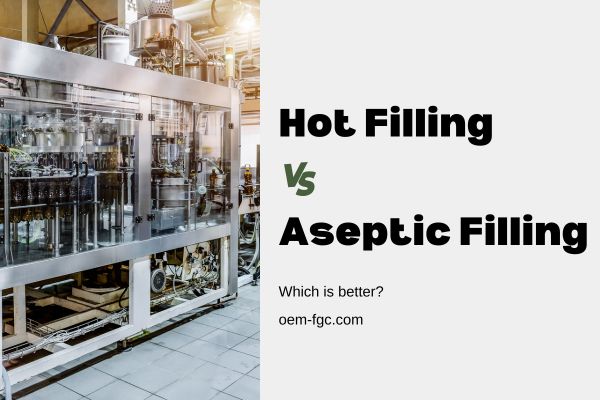
Explore the differences between Hot Filling and Aseptic Filling technologies in food and beverage packaging. Learn which method is best for your products, based on cost, quality, and packaging requirements for informed manufacturing decisions.
Introduction
In the food and beverage industry, filling technologies are essential to ensuring product safety, extending shelf life, and gaining customer satisfaction. Two of the most prominent filling methods are hot filling and aseptic filling. Both have their strengths and are used across various applications depending on the product type, packaging, and desired shelf life. In this article, we will delve into the details of hot filling and aseptic filling technologies, and help you make informed decisions about which technology best suits your products and production needs.
1. What is Hot Filling technology?
Hot filling is a processing technique that uses high temperatures to sterilize and package liquid or semi-liquid food products. This heat treatment effectively eliminates harmful microorganisms, extending the shelf life of the product without requiring preservatives. This process also sterilizes the packaging (bottle, cap, or sealer) by using the product’s inherent high temperature, assuring product safety. Hot filling process is popular with products that have a pH level of < 4.5, suitable for tea, fruit juices, vegetable juices, flavored waters, and sports drinks.
Hot Filling process
The Hot Filling process begins with meticulous preparation and heating of the product to a specific high temperature, generally ranging from 180°F to 205°F (82°C to 96°C), depending on the specific product and packaging requirements. Precise control of temperature and time of maintaining the product at high temperature retains the best flavor, while not changing the nutritional ingredients and natural substances in the product.
After being heated to the appropriate temperature, the heated product is filled into preformed PET bottles while still hot. Its high temperature will effectively sterilize the inside of the bottle. After filling, containers are immediately sealed securely with closures (caps or lids). The sealed containers go through an inverter. This process causes hot liquid to flow toward the bottle mouth and cap, continuing to sterilize the rest of the bottle. Finally, the product is rapidly cooled to avoid further heat damage to the product.
Advantages of Hot Filling
Extended shelf life: The high temperatures can effectively eliminate harmful bacteria and pathogens, significantly extending the product’s shelf life. Beverages or any products using this method can be stored for longer periods without the risk of spoilage and remain fresh, making them safer and more convenient for consumers.
No need for preservatives: As the processing method uses heat to kill all harmful bacteria, there is frequently no need for chemical preservatives. This helps enhance the safety and quality of the final product and appeals to consumers who prefer products free from artificial additives. However, in some cases, when using hot fill technology for products with high nutrition or high pH level, preservatives can still be used to ensure product safety.
Simple and cost-effective: The hot filling process is a relatively simple procedure that typically needs less intricate machinery in comparison to aseptic filling methods. It is easier to implement and also lower initial investment and operational costs. In addition, this technology also simplifies the Clean-in-Place (CIP) process by minimizing both the number of steps involved and its frequency compared to aseptic methods. Hot fill technology primarily employs heat for sterilization, whereas aseptic techniques need a variety of chemicals to sterilize the environment, resulting in significantly higher costs.

2. What is Aseptic Filling technology?
Aseptic Filling is a more advanced packaging method where the sterilized product is filled and packaged in a controlled sterile environment to ensure the product remains free from contamination. In this process, the product and the packaging material separately before filling. Aseptic processing has removed the necessity for preservatives in the product. It has become increasingly popular in recent times, especially with the growing preference for beverages that are all-natural and organic. Thanks to its optimization in preserving natural flavors, this technology is commonly used with heat-sensitive products such as dairy products, products high in fat and protein, etc.
Aseptic Filling process
In Aseptic Filling technology, the product and its packaging are sterilized separately. The product is sterilized using Ultra-High Temperature (UHT) treatment, typically at temperatures between 135°C to 150°C (275°F to 302°F) for a few seconds. It is then rapidly cooled to room temperature for the filling process. At the same time, the packaging materials are sterilized using methods like heat, chemical sterilants, or UV radiation. After that, the sterilized product is filled into sterilized containers and immediately sealed within a highly controlled, sterile environment, ensuring no contamination. In most aseptic packaging systems, to maintain a sterile environment, positive pressure (higher pressure than surrounding areas) of sterile air is used to enclose the forming, filling and sealing areas to prevent reinfection from non-sterile environments.
Advantages of Aseptic Filling
Preservation of product quality: As the product is exposed to high temperatures for a short time, it is not changed by heat but still retains its original flavor, color, and nutrients. This characteristic makes it ideal for a variety of products, including milk, baby food, and pureed fruit, where preserving quality and nutritional integrity is of utmost importance.
Prolonged shelf life: Products have undergone ultra-high-temperature treatment to kill harmful bacteria, so they can often achieve a longer shelf life without refrigeration.
Versatility: Aseptic filling can accommodate a wide variety of product types, including liquids, low-acid foods, and heat-sensitive items. It is also used for semi-solid products and even solid items, making it suitable for a diverse range of industries.

3. Hot Filling and Aseptic Filling: Which is better?
Determining which technology is “better” depends on various factors, including the type of product, production scale, resource availability, and unique business requirements. When making a choice between hot filling and aseptic filling, numerous elements must be taken into account. Both methods successfully extend shelf life and maintain product safety, they offer different advantages in cost, product quality, and packaging material.
Product quality
The filling technology can significantly impact the product quality. When hot filling, the product is subjected to high temperatures for a relatively long period of time, which can affect sensitive ingredients. Hot filling processes can cause milk, protein-rich drinks, and nutraceutical beverages to degrade under heat, losing texture, nutrients, or flavor.
Aseptic filling, in contrast, stands out as the better option for preserving product quality, especially for heat-sensitive products. The short high-temperature treatment followed by rapid cooling helps maintain the nutritional value, flavor, and color of the product. This makes aseptic filling the preferred choice for high-end products, organic foods, or those with heat-sensitive ingredients. Moreover, Aseptic technology helps to extend longer product shelf life compared to Hot filling. This makes aseptic filling the preferred choice for high-end products, organic foods, or those with heat-sensitive ingredients.
Packaging material
Hot filling requires containers that can endure high temperatures without warping or leaking. Common materials include PET (polyethylene terephthalate) bottles, glass, or some types of heat-resistant plastic. However, the selection of heat-resistant materials can limit packaging design and material choices, often requiring thicker plastics to prevent deformation.
On the other hand, aseptic filling offers an expansive array of packaging options, as it does not require the use of high temperatures. This allows selection from materials like flexible pouches, cartons, plastic, and glass. Thus, it paves the way for more innovative packaging solutions, lighter materials, and eco-friendly alternatives.

Investment and operating Cost
Hot filling is generally more affordable than aseptic filling, as it requires less sophisticated equipment and less stringent control of the filling environment. This process uses hot pressure air which is cost-effective than chemicals in aseptic technology. This leads to lower initial investment and simplified machinery, making it an attractive option for smaller producers or those operating with limited financial resources. Hot filling is a practical solution, particularly for products that can tolerate high temperatures.
The aseptic filling requires a sterile environment, advanced machinery, and regular maintenance to ensure sterility, all of which add to the initial costs. While the initial investment in aseptic filling may be substantial, it often proves worthwhile over time, particularly for premium products or those with stringent quality standards. Operating costs of aseptic technology are less than that of hot filling because of savings in preform costs and energy consumption costs. Moreover, it can be more economical in the long run for large-scale production. An aseptic machine line needs Clean-In-Place (CIP) procedure after several days of production. With small quantities, the cost for CIP is higher as it must be done after each batch.
4. Which product is Hot Filling and Aseptic Filling suitable for?
The choice between hot filling and aseptic filling is significantly influenced by a variety of factors related to the specific characteristics of the product. Key aspects to consider include the product’s composition, its level of acidity, its sensitivity to heat, and its overall preservation requirements. Each of these filling technologies is designed for particular applications, thereby understanding which one to choose can significantly impact product quality, safety, and shelf life.
Hot Filling
Hot filling is commonly employed for products that can withstand high temperatures and still maintain their quality. Generally, high-acid products (pH < 4.6) are suitable for hot filling. It’s especially popular in the beverage industry, but it is also used for various other food items that benefit from pasteurization.
- Fruit juices and juice-based beverages: The high acidity of most fruit juices makes them ideal for hot filling. The heat does not significantly affect the taste or nutritional content and in some cases, it can even enhance flavors.
- Ready-to-drink teas: Tea blends, particularly those that don’t contain dairy such as green, black, and herbal teas, are ideal for hot filling. The heat effectively kills off any bacteria, while still keeping the tea’s taste and nutritional value.
- Sports and energy drinks: These beverages typically contain ingredients like electrolytes, sugar, and caffeine, which are stable at high temperatures.
- Non-carbonated beverages: Many non-carbonated drinks, including isotonic beverages, flavored water, and health drinks, are suitable for hot filling. They do not require carbonation, so the risk of pressure-related packaging issues is eliminated, and the process ensures a long, preservative-free shelf life.
- Fruit-based sauces and condiments: Products like ketchup, barbecue sauce, fruit purees, and jams are acidic and can endure high temperatures during the filling process without significant changes in flavor or texture.

Aseptic Filling
Aseptic filling is particularly advantageous for products that are heat-sensitive and require a high degree of sterility. Low-acid products often require aseptic filling. They often have specific requirements regarding texture, flavor, and nutrient preservation, making aseptic filling the ideal choice.
- Dairy products and dairy alternatives: Dairy products like milk, cream, yogurt drinks, and their plant-based counterparts (such as soy milk, almond milk, and oat milk) are highly sensitive to heat. The aseptic filling helps preserve its nutritional value and taste, which might be lost by hot filling.
- Baby foods and infant formula: The production of baby foods and infant formula requires extreme care to ensure both sterility and nutritional value. The aseptic filling process can handle it well.
- Nutritional and protein shakes: Aseptic processing is best suited for these products, as they must retain their nutrient content to meet consumer expectations for health benefits.
- Some fruit juices: Especially those marketed as “fresh” or “not from concentrate” often use aseptic filling to maintain flavor and nutritional value.
- Pharmaceutical and nutraceutical beverages: Aseptic filling is essential for pharmaceutical drinks and nutraceutical beverages that contain bioactive compounds like vitamins, enzymes, and probiotics, ensuring the integrity and effectiveness of these sensitive ingredients.

Conclusion
When making decisions between hot filling and aseptic filling, it’s essential to consider the product type, its heat sensitivity, and the desired shelf life. Hot filling offers a cost-efficient solution for beverages and food products that can endure high temperatures, whereas aseptic filling is the preferred method for heat-sensitive products that require the preservation of nutritional value, flavor, and sterility. Both techniques are key players in the packaging industry, and selecting the appropriate one can significantly impact your product’s quality, safety, and overall success in the marketplace. However, there are still several factors that require expertise from a professional unit to effectively produce RTD tea. If you’re looking for a trusted partner, contact FGC for detailed information and to find the most suitable solution for your business.
About Future Generation Co., Ltd
Future Generation Company Limited is one of the largest beverage suppliers in Vietnam, with 26 years of experience in production and export. FGC is equipped with modern machines such as Hotfill PET and TetraPak, ensuring high-capacity production. FGC strives to achieve our mission to become Vietnam’s leading healthy beverage company. Our factories also meet international standards such as ISO, HACCP, etc. In addition, we constantly innovate our machinery system, strengthen production capacity, and increase productivity.
FGC also provides Private Label Services. With this service, we can help customers research and formulate beverages, design product label packaging, and create their own brands. This is an ideal solution for small and medium enterprises. Moreover, FGC provides free samples for customers to test before bulk orders. We also ensure delivery as fast as possible.
Contact
Address: R4 building, Office Quarter 02, Royal City, 72A Nguyen Trai St., Thanh Xuan Dist., Hanoi.
Phone: +84 24 73 000 125/ +84 24 73 063 369
Mail: info@vietnam-tea.com
Website: https://oem-fgc.com/
Facebook: https://www.facebook.com/fgcvietnamtea
LinkedIn: https://www.linkedin.com/company/fgcvietnamtea/
Source:
https://bernardlab.com/industry-news-blog/the-basics-of-different-filling-technology/