Is the beverage shelf life an essential factor? Do your products need a shelf-life study? How do you determine the shelf life of a beverage? Let’s find out the answer in this article.
Introduction
A beverage’s shelf life is the time it is kept and sold without significantly reducing quality or functionality. It is a crucial factor when launching a beverage because it will directly affect brand images and customers’ health. Proper methods and processes for determining beverage shelf life are the foundation for maintaining consistent quality for your products.
Why is it important to determine the shelf life of a beverage?
It is impossible to determine accurate “use by” or “best before” dates by guessing or replicating from other similar products. Testing for shelf life needs to be customized according to your beverages. Determining a beverage shelf life is crucial for both manufacturers and consumers.
For manufacturers, understanding beverage shelf life helps them arrange appropriate production, distribution, and financial plans. Besides, they can set accurate expiration dates, maintain product quality, minimize waste due to inventory, and comply with safety regulations. Clear shelf life also helps brands to build customer trust and loyalty.
On the other hand, the beverage shelf life is essential to ensure the safety of consumers while using the product. Over time, beverages might become dangerous to consume because of microbial growth, chemical reactions, or physical changes. Based on shelf life, consumers can choose the quality and palatable products.

How to determine the shelf life of a beverage?
Several methods can be applied to determine how long a beverage can maintain its flavors, quality, and still be safe to consume. The most commonly used methods include direct test, challenge test, predictive microbiology, accelerated test, and sensory evaluation.
Direct test
This method estimates the actual beverage shelf life by storing the product under conditions that are similar to those it will face. Then, it is monitored and checked for spoilage or quality changes at regular intervals. This method is widely used because it can accurately estimate the time for a beverage to spoil. However, it might take much time and effort as it requires periodic checks to identify when the beverage starts to go bad. Furthermore, the storage conditions of some products are not consistent over time.
Challenge test
The challenge tests aim to stimulate conditions that might lead to beverage spoiling, such as the introduction of microorganisms or temperature changes. This method helps assess how resistant the beverage is to spoilage in different environmental conditions. It involves introducing the pathogens or microorganisms into the product and monitoring how it reacts. However, this method is quite complicated to implement. Besides, it only analyzes one or a few agents while the product, in reality, may be exposed to multiple factors at the same time.
Predictive microbiology
This method will study the reactions of microorganisms in different environmental conditions. From there, manufacturers can analyze their activities in the drink based on mathematical models. This method is often used when developing new products and considering their changing conditions. However, the research results may be too complicated for some manufacturers to calculate and study.
Accelerated test
Accelerated shelf life testing means to speed up the aging process and spoilage reactions in the drinks by increasing temperature, humidity, active oxygen, and other elements. It helps manufacturers to forecast the changes in beverages under certain storage conditions. These fast, versatile, and economically friendly tests allow producers to conduct different comparisons. However, it cannot reflect exactly the real conditions that affect a beverage shelf life, leading to inevitable errors when collecting the results.
Sensory evaluation
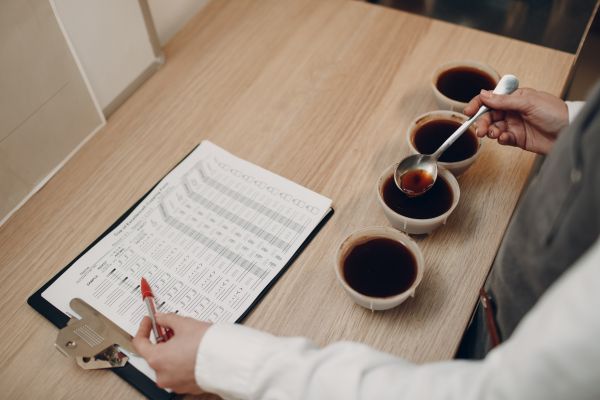
Sensory evaluation includes taste, smell, and appearance testing. It allows manufacturers to determine if the beverage remains its desirable quality over a specific time. The method involves reviewing and evaluating beverages with different manufacturing dates to decide whether they are safe to consume. It will create a link between the beverage’s expected quality and shelf life. It is often combined with other methods to calculate a product’s shelf life accurately.
Understanding factors affecting beverage shelf life:
What is the shelf life testing process?
Shelf life tests are the process to determine how long a product retains its quality and is still safe to consume. They might vary depending on beverage types, storage conditions, and claims on packaging, but they will have the same frame.
Step 1: Review samples and storage conditions
To have accurate testing results, the samples need to represent the final product that customers will purchase. They should be selected from full-scale production runs. In addition, test samples should come from the same batch to remove variation. Moreover, enough products should be prepared for duplicate or triplicate testing.
Some factors, including ingredients, formula, packaging, handling, production, and storage conditions, will impact the beverage shelf life. Therefore, it is crucial to choose storage conditions that replicate real life, including temperature, humidity, and light exposure. If only individually packaged or stored samples are selected, the results will not accurately reflect mass-produced products.
Step 2: Determine the key safety and quality factors
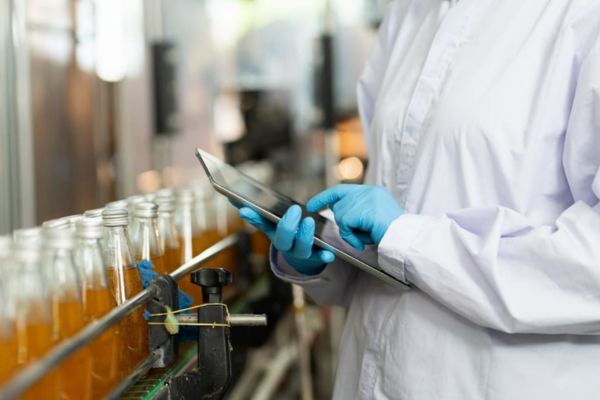
After reviewing the sample products, the parameters that need to be measured during testing should be outlined. They include safety and quality standards, organoleptic estimations, or any legal claims, such as nutritional content. The parameters depend on each product’s properties and legal requirements.
Step 3: Choose testing methods and conduct
Next, you need to decide which methods to use for testing. The most common methods include direct and accelerated tests. They can be combined with sensory evaluation to determine the taste, smell, or color changes in addition to microbiological and chemical safety. Temperature, humidity, and light conditions will be adjusted based on the chosen methods. They can be set or fluctuated to reflect conditions during transport and storage. Besides, testing frequency also depends on the beverages. Keep the samples under the prepared conditions, and test them at the decided intervals.
Step 4: Analyze the results and set shelf life
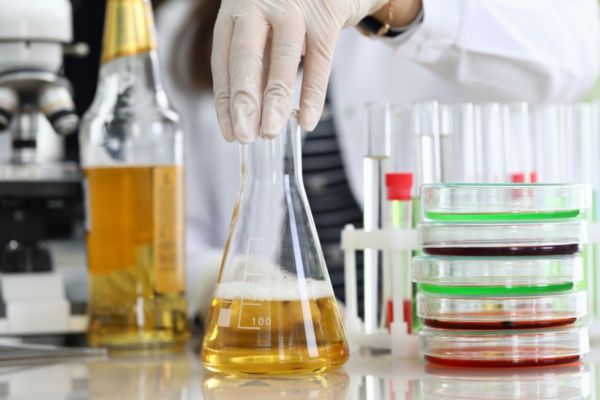
After finishing testing, manufacturers need to analyze the results to determine the length of time that the beverage can stay shelf-stable. This will help them establish suitable time parameters, such as expiration, “best by”, or “use by” dates, and make suitable production plans. If there are any changes in the formula or production methods, shelf-life testing needs to be re-validated.
About Future Generation Co.,Ltd
Future Generation Company Limited is one of the largest beverage suppliers in Vietnam, with 30 years of experience in production and export. FGC is equipped with modern machines such as Hotfill PET and TetraPak, ensuring high-capacity production. FGC strives to achieve our mission to become Vietnam’s leading healthy beverage company. Our factories also meet international standards such as ISO, HACCP, etc. In addition, we constantly innovate our machinery system, strengthen production capacity, and increase productivity.
FGC also provides Private Label Services. With this service, we can help customers in researching and formulating beverages, designing product label packaging, and creating their own brands. This is an ideal solution for small and medium enterprises. Moreover, FGC provides free samples for customers to test before bulk orders. We also ensure delivery as fast as possible.
Contact
Address: R4 building, Office Quarter 02, Royal City, 72A Nguyen Trai St., Thanh Xuan Dist., Hanoi.
Phone: +84 24 73 000 125/ +84 24 73 063 369
Mail: info@vietnam-tea.com
Website: https://oem-fgc.com/ – https://vietnam-tea.com/
Facebook: https://www.facebook.com/fgcvietnamtea