Have you heard about gas applications in the food and beverage industry? Do you know what the most common gases are? Are they crucial when making a product in this sector?
Introduction
Gases are integral in the food and beverage industry, providing various essential applications. Thanks to the development of technology, gases are used during the manufacturing processes, contributing to products’ high quality, longer shelf life, and more efficient production. In this article, let’s explore the importance of gases, their required standards, and the most common gas applications in the food and beverage industry.
The importance of gases in the food and beverage industry
Gases have been used in food and beverage for decades, supporting a wide range of processes, including carbonation, freezing, packaging, and fermentation. These gases help ensure high quality and maintain product freshness and flavor by providing an optimal atmosphere inside packaging and preventing oxidation. Besides, some gases like CO2 and N2 are infused into beverages to improve flavors and enhance drinking experiences.
Moreover, gases can help solve food and beverage problems, such as transportation and processing costs. For example, thin-walled bottles and cans are pressurized using gases, particularly nitrogen, to improve durability during shipment and avoid collapse. In addition, certain gas combinations can aid in minimizing excessive foaming during filling and packaging in beer and carbonated drinks, improving production efficiency. Processing time can also be saved as gases like liquid nitrogen and CO2 quickly freeze foods while preserving texture, nutrients, and quality.
Gases can inhibit microbial growth, increasing consumer safety. By prolonging products’ shelf life and preserving their quality, gases help lower food and beverage waste, protecting the environment. Furthermore, more environmentally friendly packaging options are being developed using cutting-edge gas technology.
Quality of gases used in the food and beverage industry
The quality of gases in the food and beverage industry is crucial to ensure product quality and consumer health. Those gases, also called food-grade gases, must meet strict standards and adhere to specific regulations and requirements. Only approved gases are allowed to be used in manufacturing food and beverages. Food-grade gases can help prevent spoilage, extend product shelf life, and maintain freshness and quality. They also lower the risk of contamination and microbial growth.
Firstly, food-grade gases must have extremely high purity, usually above 99%, to prevent contamination. Besides, they must be odorless and tasteless to avoid affecting the flavor and quality of the products. Any impurities, including moisture, oil, or particulates, are strictly banned to prevent microbial growth and avoid unexpected chemical reactions and contamination. The levels of toxic compounds such as carbon monoxide or sulfur must be below permissible limits. In addition, the manufacturing, storage, and transportation of food-grade gases need strict management to meet food-grade certification standards and prevent contamination.
The most common gas applications for the food and beverage industry
Carbon dioxide (CO2)
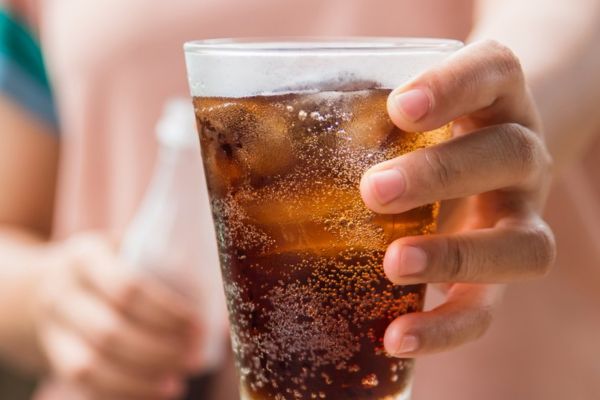
Carbon dioxide (CO2) is one of the most popular gases in the food and beverage industry. CO2 is known for its colorless, odorless, inert, and non-toxic characteristics. The most common application of carbon dioxide is in carbonated drinks. It is frequently added to beverages to make them fizzy and avoid spoilage during storage. Besides, it is a cooling agent to freeze and chill food and drinks, preserving their taste for longer.
Carbon dioxide can also inhibit microbial growth, prevent oxidation and mold development, and preserve freshness in the modified atmosphere packaging (MAP) process. Additionally, the common material to protect products during transportation is dry ice, which is also made from CO2. It is preferred because while regular ice evaporates into water, dry ice evaporates as a gas. Furthermore, CO2 can aid in regulating the pH level of some items, like fruit juice and wines. When carbon dioxide is dissolved in water, carbonic acid is generated and can change a product’s pH level.
Nitrogen (N2)
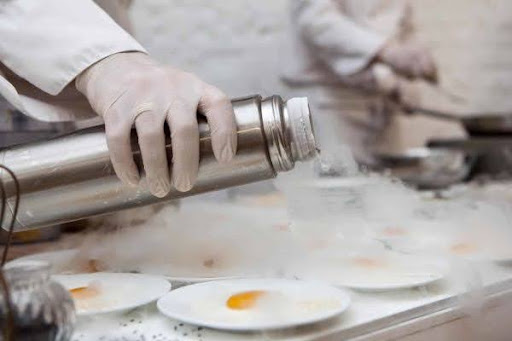
Nitrogen (N2) makes up about 78% of the earth’s atmosphere and is commonly used in the food and beverage sector. From protecting freshness to reducing damage during transportation, nitrogen is widely applied because it is affordable, inert, and readily available. Nitrogen is infused into bottles and cans to avoid collapse and enhance durability while transporting. In food and drink manufacturing, N2 is used to displace oxygen in packaging to restrict microbial development, retain freshness, prevent oxidation and spoilage, and maintain nutritional profile.
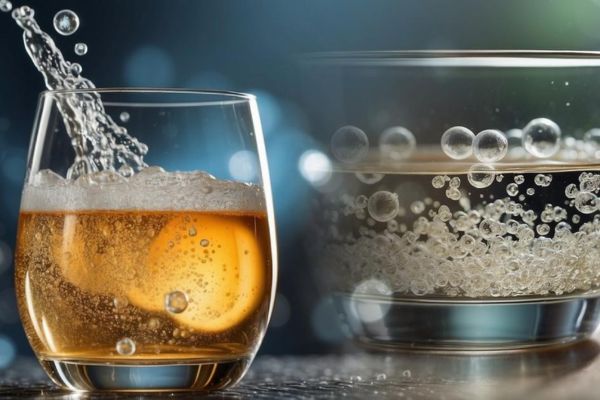
Moreover, pressurized nitrogen is often applied in beverages like beer and coffee to create a smooth and creamy texture. This is because nitrogen bubbles are usually smaller than carbon dioxide’s. N2 is frequently employed in alcoholic beverage production to control the fermentation, ensuring the final flavor and aroma. Similar to CO2, N2 can also be used to quickly cool products while maintaining their flavor and nutrients. For beverages that require fermentation, N2 can also help regulate this process and promote flavor and aroma.
Oxygen (O2)
Generally, oxygen (O2) is essential for respiration and oxidation when producing food and beverages. However, its uses should be strictly managed since excessive amounts can lead to spoilage or less effervescence in carbonated drinks. Oxygen is often used to maintain the appearance of many food products, especially some kinds of meat, making them more attractive to customers. Additionally, O2 infusion enhances the flavor and consistency of drinking water. It can also be used in wastewater treatment, enabling efficient water recycling and cleansing. Moreover, oxygen is beneficial in supporting yeast growth in beer and wine production.
Argon (Ar)
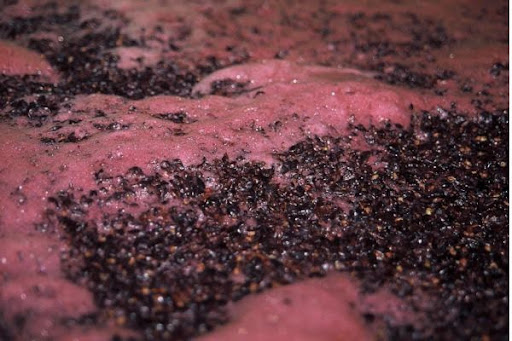
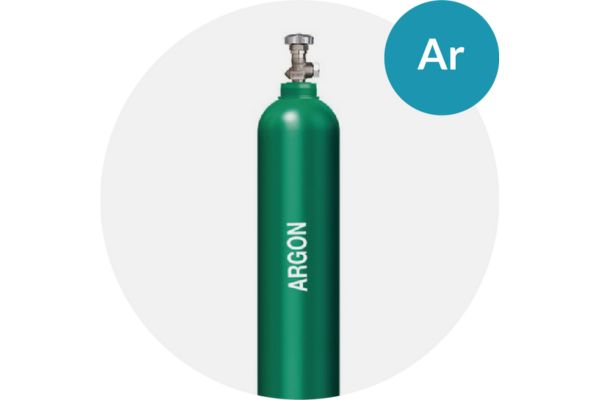
Argon is an inert and water-soluble gas that is the third most abundant on Earth. It is heavier than oxygen and has multiple applications in the food and beverage industry. Argen is frequently used to replace oxygen to avoid oxidation, particularly in wine production. Because it is inert, argon helps preserve flavor and freshness. Besides, since it is denser than air, it settles above the liquid to prevent it from souring. Its inert characteristic also allows it to be applied in the modified atmosphere packaging to protect sensitive food and drinks.
Conclusion
Carbon dioxide, nitrogen, oxygen, and argon are the most popular gases in the food and beverage industry. Their applications help preserve freshness, extend product shelf life, ensure product quality and safety, and enhance manufacturing efficiency. Since technology has been constantly developing, the use of gases in this industry is believed to evolve further, driving innovation and sustainability.
About Future Generation Co.,Ltd
Future Generation Company Limited is one of the largest beverage suppliers in Vietnam, with 30 years of experience in production and export. FGC is equipped with modern machines such as Hotfill PET and TetraPak, ensuring high-capacity production. FGC strives to achieve our mission to become Vietnam’s leading healthy beverage company. Our factories also meet international standards such as ISO, HACCP, etc. In addition, we constantly innovate our machinery system, strengthen production capacity, and increase productivity.
FGC also provides Private Label Services. With this service, we can help customers in researching and formulating beverages, designing product label packaging, and creating their own brands. This is an ideal solution for small and medium enterprises. Moreover, FGC provides free samples for customers to test before bulk orders. We also ensure delivery as fast as possible.
Contact
Address: R4 building, Office Quarter 02, Royal City, 72A Nguyen Trai St., Thanh Xuan Ward, Hanoi.
Phone: +84 24 73 000 125/ +84 24 73 063 369
Mail: info@vietnam-tea.com
Website: https://oem-fgc.com/
Facebook: https://www.facebook.com/fgcvietnamtea
LinkedIn: https://www.linkedin.com/company/fgcvietnamtea/
Alibaba: https://fgcvietnam.m.trustpass.alibaba.com/