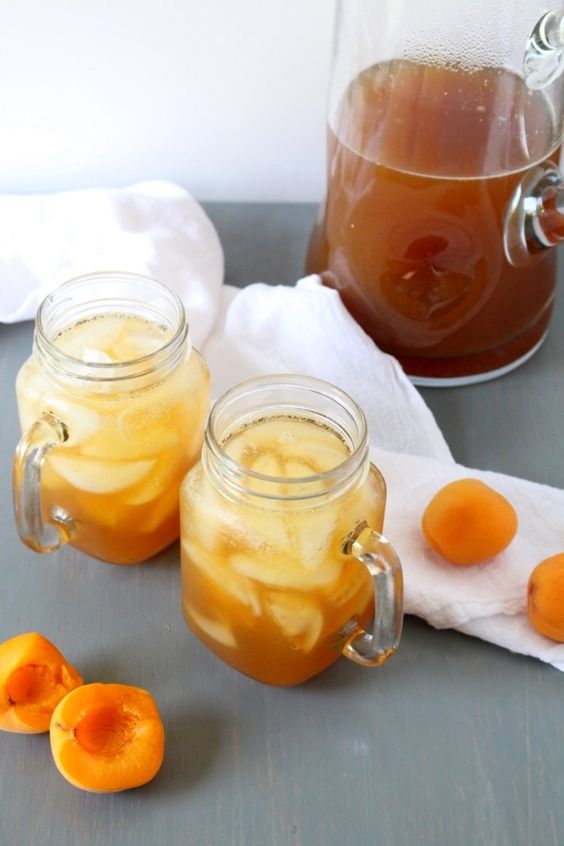
The ready-to-drink tea market continues to grow annually. Let’s take a look at the RTD tea market in Asia Pacific to explore new opportunities for your businesses.
Introduction
RTD tea, short for Ready-to-drink tea, is a pre-prepared and packaged beverage that can be used immediately at any time. Therefore, it is perfect for on-the-go lifestyles, with a wide range of flavors and varieties. If you are planning to enter the RTD tea market in Asia Pacific, this article will give you a helpful overview of this market.
Market overview
The Asia Pacific RTD Tea market has witnessed a considerable rising trend in recent years, thanks to its sizable population and expanding middle class. This region is the largest consumer of RTD tea worldwide by volume. In 2025, its market size is expected to reach more than 64 billion USD and continue to grow at a CAGR of more than 7% from 2025 to 2030.
There are several drivers leading to the growth of the RTD tea market in Asia Pacific.
Rising health consciousness
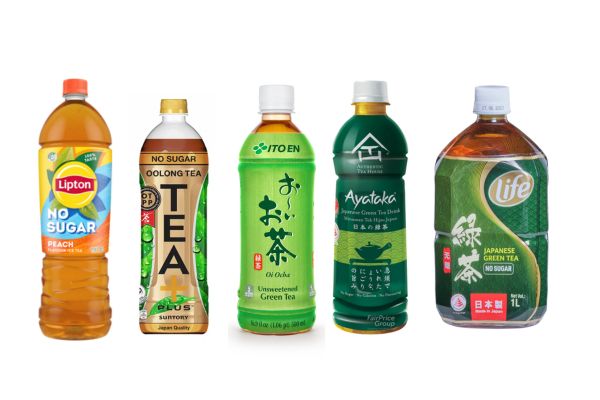
The surge in health and wellness consciousness makes tea drinks grow dramatically. Especially after the covid-19 pandemic, people tend to replace regular soft drinks with healthier beverages, including RTD tea. This health-conscious trend has led to the creation of low-sugar or sugar-free versions of RTD tea. Besides, manufacturers are constantly launching new products with natural, organic ingredients and additional functions.
The growth of sugar-free beverage market:
Everything you need to know about the growth of sugar-free beverage market
Lifestyle changes
Asia Pacific’s people have a deep-rooted tea-drinking culture. This long-standing tradition has paved the way for handy, ready-to-drink versions that fit nicely with contemporary and hectic lifestyles.
Renewed interest from Gen Z
Millennials and Gen Z have become the target customers for almost all RTD tea brands, providing opportunities and challenges. Manufacturers have constantly developed new flavors that might catch their attention. The booming of social networks also makes beverage trends go viral quickly but rapidly forgotten. This poses an issue for manufacturers on how to keep up with trends while extending the product life cycle. Besides, this group of customers often cares more than just the product itself. Sometimes, the brand story or environmentally friendly packaging can attract and retain them.
Sugar taxes
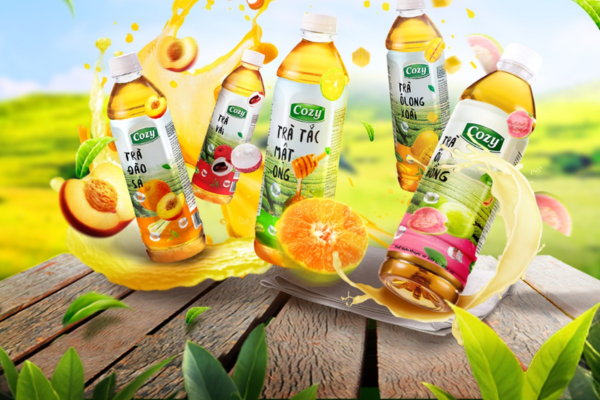
Several countries in Asia Pacific, such as Thailand, Indonesia, Malaysia, and Vietnam, have implemented sugar tax on beverages. This may force manufacturers to revise their products’ formulas to suit profitable business operations.
Segmentation analysis
By type
Regarding RTD types, green tea is the market leader, with about 45% of the market share in 2024. This is thanks to the long-standing cultural significance of green tea in Asia and the increasing health consciousness among consumers. Meanwhile, the herbal tea segment witnesses a considerable rise, expected to grow 8% over the next 5 years. Iced tea is also a popular choice with many fruit-blended and low-sugar variations. Besides, by providing distinctive taste profiles and potential health benefits, black tea, functional tea, and other flavored tea blends contribute to market diversity.
By packaging
PET bottles are the leading packaging type in the RTD tea market in Asia Pacific, making up about 70% of the market share. Thanks to their lightweight characteristics, durability, and cost-effectiveness, they are favored by both manufacturers and consumers. Metal cans and aseptic boxes are also significant elements in packaging segments. Besides, the increasing environmental consciousness among consumers has led to the dramatic growth of glass bottles.
By distribution channels
The Asia Pacific ready-to-drink tea market is dominated by off-trade channels, including supermarkets, convenience stores, independent small grocers, and other grocery retailers. In general, supermarkets are the market leader in the region, but the figures for each nation can be different.
Supermarkets are the most common channels in developed markets, such as China, Hong Kong, the Philippines, and Singapore. Meanwhile, in most emerging markets, like Malaysia, Uzbekistan, and Pakistan, independent small grocers dominate the sales. However, thanks to the industrialization and development in these regions, the supermarket channel has witnessed rapid growth. In addition, convenience stores are densely distributed in countries like South Korea and Taiwan due to convenience.
The on-trade channels also experience a rise in sales thanks to the rising integration of RTD tea drinks in restaurants and coffee shops. Many RTD tea companies have invested a lot in the HoReCa segment. This channel is also driven by the increasing number of cafes and restaurants in the Asia-Pacific region.
Regional analysis
The most revenue of RTD tea in Asia Pacific is generated in China, which accounts for more than 40% of the overall tea consumption. The biggest driver for on-the-go beverages may be the fast-paced lifestyle. Besides, the rising health consciousness of consumers has led to a noticeable trend in sugar-free and low-sugar variants. Chinese consumers also have a clear affinity for a wide variety of RTD tea flavors, from classic green and black tea to creative fusions.
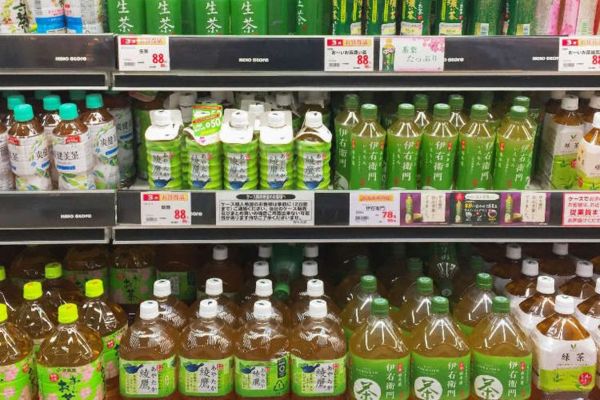
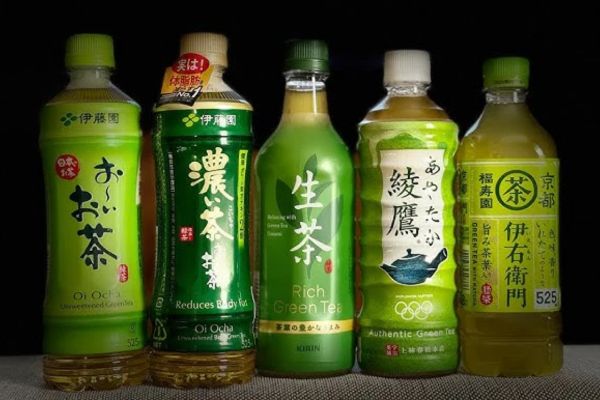
The Japanese market also contributes significantly to the revenue, with over 100 new RTD tea variants each year. The growing healthy living trend has boosted the consumption of unsweetened variations. Green, black, herbal, and oolong teas are among the traditional RTD teas available in Japan. Besides, limited editions are often influenced by trends or seasonal flavors.
India is believed to be the leading country in growth charts, with an expected CAGR of more than 10% in the next five years. Indian consumers have gradually shifted to RTD teas with additional functions and health benefits, like herbal blends or those with antioxidants and natural ingredients. The booming of e-commerce also makes RTD tea easier to access.
While volume demand in East Asia has gone up slowly, growth has increasingly come from Southeast Asian nations, especially Indonesia and Vietnam. The market for RTD tea expanded in Indonesia as a result of growing consumer awareness and the drinks’ affordability. Meanwhile, the Vietnamese market has experienced a rise via enhanced marketing and distribution channels.
Key players
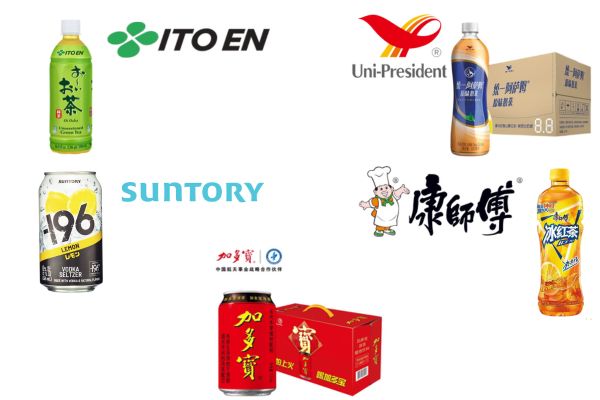
The key players of RTD tea in the Asia-Pacific market include Ito En, Ltd, JDB Group, Suntory Holdings, Tingyi Holding, and Uni-President. Those leading companies mostly come from China, Taiwan, and Japan. Mainland China and Japanese markets are the most appealing markets for the giants to obtain bulk sales. Emerging countries such as India and Singapore are also among the big markets for RTD tea. Additionally, some key players have expanded their market to potential East Asian countries, like Vietnam, Hong Kong, and Thailand.
Manufacturers are constantly developing healthier versions with low sugar content, additional functions, and natural ingredients to meet the customer demands. Companies are strengthening their distribution network and expanding on digital platforms and e-commerce channels to enhance market reach. Some are also scoring points with customers by changing their packaging to recycled and environmentally friendly materials.
Explore the dynamic of Private Label Beverage market:
About Future Generation Co.,Ltd
Future Generation Company Limited is one of the largest beverage suppliers in Vietnam, with 29 years of experience in production and export. FGC is equipped with modern machines such as Hotfill PET and TetraPak, ensuring high-capacity production. FGC strives to achieve our mission to become Vietnam’s leading healthy beverage company. Our factories also meet international standards such as ISO, HACCP, etc. In addition, we constantly innovate our machinery system, strengthen production capacity, and increase productivity.
FGC also provides Private Label Services. With this service, we can help customers in researching and formulating beverages, designing product label packaging, and creating their own brands. This is an ideal solution for small and medium enterprises. Moreover, FGC provides free samples for customers to test before bulk orders. We also ensure delivery as fast as possible.
Contact
Address: R4 building, Office Quarter 02, Royal City, 72A Nguyen Trai St., Thanh Xuan Dist., Hanoi.
Phone: +84 24 73 000 125/ +84 24 73 063 369
Mail: info@vietnam-tea.com
Website: https://oem-fgc.com/
Facebook: https://www.facebook.com/fgcvietnamtea
LinkedIn: https://www.linkedin.com/company/fgcvietnamtea/
Alibaba: https://fgcvietnam.m.trustpass.alibaba.com/