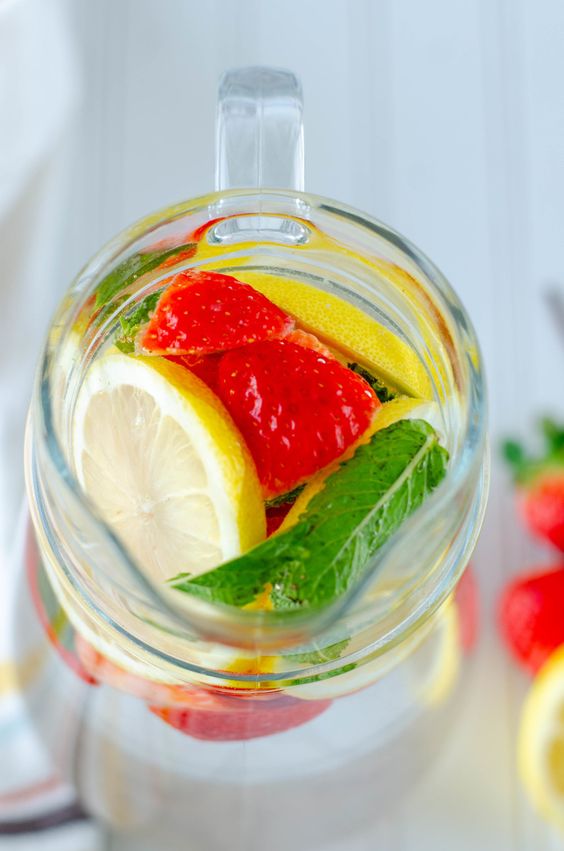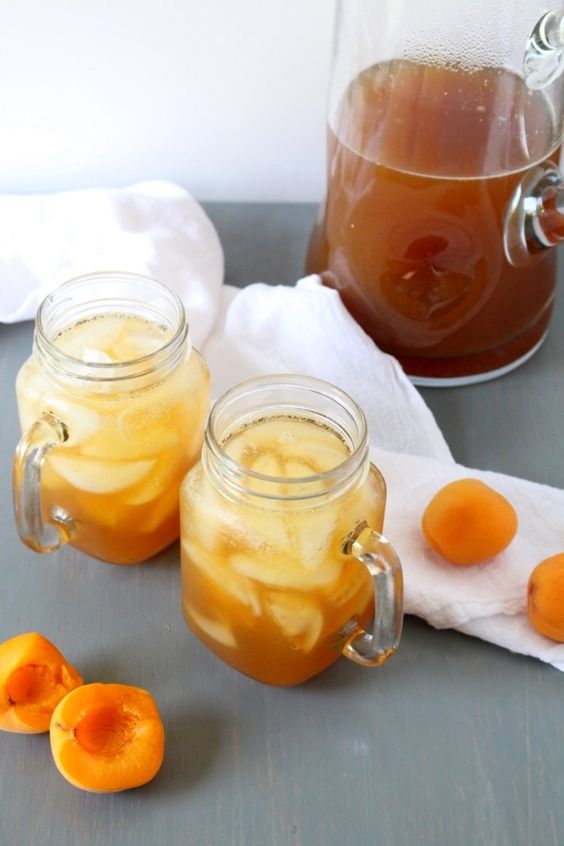
If you are new to the beverage industry, understanding beverage manufacturing is essential for entering this market.
Introduction
The beverage industry continues to grow, offering numerous opportunities for businesses. Beverage manufacturing is a complex and fast-growing industry that brings your beverage ideas into real products. It blends science, creativity, and precision to create a drink. In this article, let’s explore key aspects of the beverage manufacturing process and the most common manufactured beverage types worldwide.
What is beverage manufacturing?
Beverage manufacturing is the industrial-scale production of drinks, which includes everything from the development step to the final packaging and distribution. This process will turn raw ingredients into finished, ready-to-drink beverages. Beverage manufacturers have to comply with strict regulations on quality, hygiene, and safety during production. The facilities must be qualified before starting production. The purpose of beverage manufacturing is to create drinks that are safe to consume and have a long shelf life.
Beverage manufacturers are those who deal with all production stages. They have a research and development team to develop and create new formulas, facilities to produce drinks, and an operations team to deliver products to customers. Moreover, they can create beverages under their own brands, or develop new products under customers’ brand names, which is often called private label.
What is the beverage manufacturing process?
The process of manufacturing beverages is quite nuanced, depending on the beverage types. Besides, each beverage manufacturer may apply different procedures and techniques to create their unique products. However, a beverage manufacturing process generally includes the following five steps.
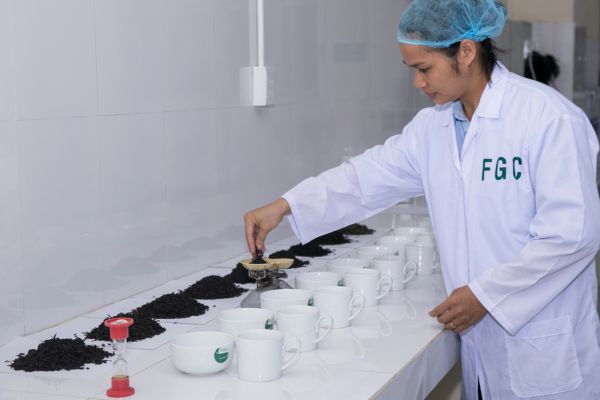
Research and development
Every great drink starts with an idea. However, turning this idea into a real and sellable product needs a lot of research and a strategic development process. This step can be considered the foundation of producing a beverage. It requires experienced experts who know the features of raw materials well to create a drink with a balanced flavor profile and nutritional value. Besides, they understand what to mix to preserve taste and quality and how to comply with food regulations.
After developing a commercial formula, this step can help ensure consistency in every batch. If a manufacturer offers private label service, like FGC, it means that you can customize the formula under the control of the R&D team. It is an ideal option for SMEs that can build a new brand quickly without investing time and money in R&D.
Sourcing ingredients
Along with developing formulas, sourcing ingredients is also crucial. You need to source the right materials to ensure the product quality and consistency. Besides, ingredient cost needs to be controlled to fit the budget and the costs of the project. Many specialized products also require ingredients to have different specific quality certifications. Because of mass production, every small ingredient needs to be carefully calculated. With the same ingredients, their quality, flavor, and price can vary among different suppliers.
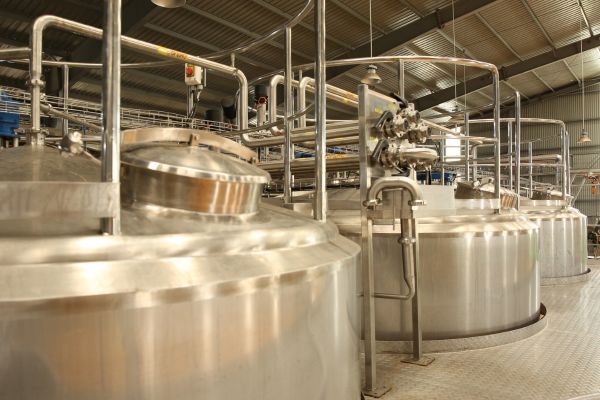
Mixing and blending
After sourcing and quality-checking all ingredients, the beverage manufacturing process continues with mixing and blending. This step aims to turn all raw materials into a uniform liquid mixture. It is one of the most technically significant stages and might require specific machinery to ensure the consistency, flavor, and texture of every final drink. Based on the beverage types, this phase can involve degassing, filtering, clarifying, and pasteurizing.
Filling and labeling
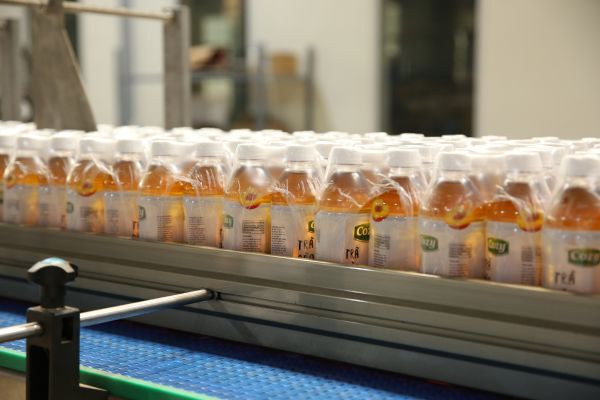
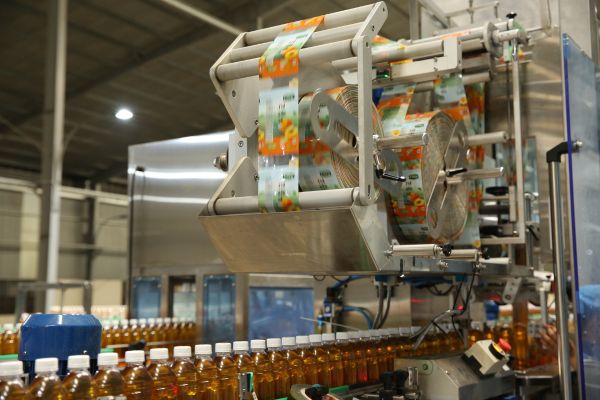
The liquid, after being mixed and quality checked, is ready for filling and packing. Filling is the step to package your product into the containers. During this process, maintaining hygiene standards and ensuring zero contamination are important. High levels of automation enable filling lines to function with remarkable accuracy and speed.
The three most common filling methods include hot filling, aseptic filling, and retort processing. Each filling technology will suit different types of beverages and packaging. For example, the hot filling process uses the heat from the liquid to pasteurize the container, usually used for plastic bottles. Meanwhile, the retort process is suitable for drinks packaged in aluminum cans.
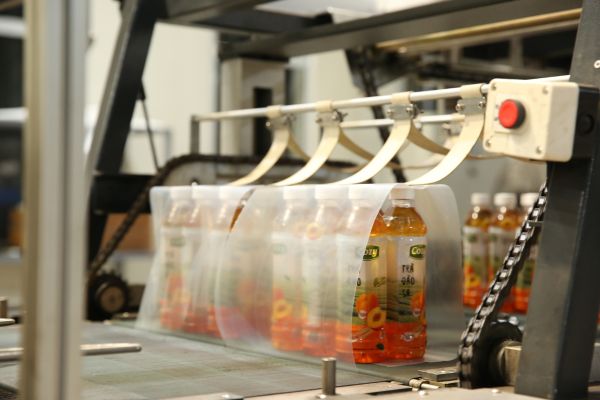
To make your beverages attractive to customers, packaging design is where you can express your brand. There are diverse formats of labels for your drinks, including shrink sleeves, pressure-sensitive labels, direct printing, or in-mold labeling.
Storing and distributing
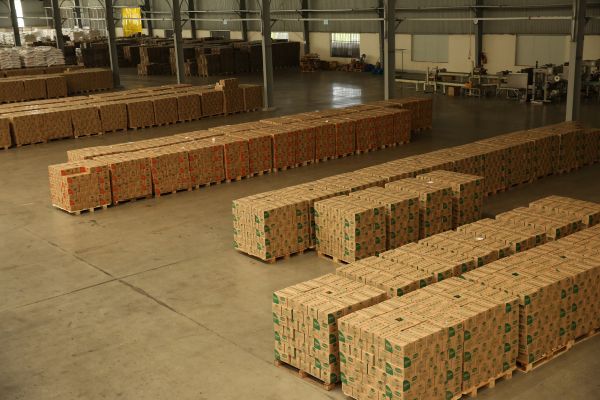
Generally, beverages after filling are placed into secondary packaging, like shrink films, boxes, cartons, trays, or multi-packs. After that, they are stored safely and carefully before being distributed to retailers, wholesalers, or directly to customers. Warehouses must meet the conditions of humidity, temperature, and light to ensure the quality of products during storage.
What are the most common types of beverages manufactured globally?
Beverage manufacturing covers many types of drinks. However, understanding the most common ones can help you develop business strategies that are in line with market trends and needs.
Bottled water
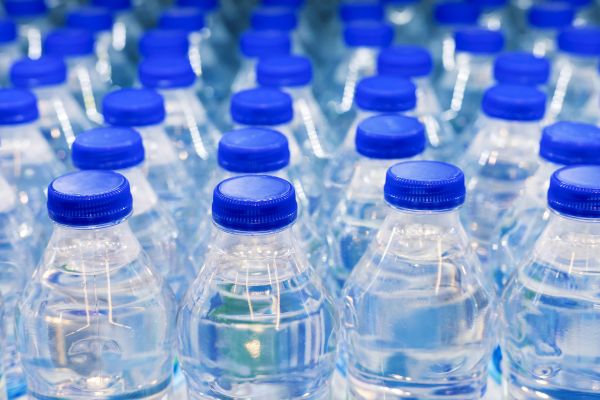
Because of the necessity of water to human life, bottled water remains one of the most manufactured drinks. It is also driven by the need for convenience in busy lifestyles. In addition to still water, it is innovated and developed with diverse categories, such as sparkling, flavored, and mineral water.
Carbonated soft drinks
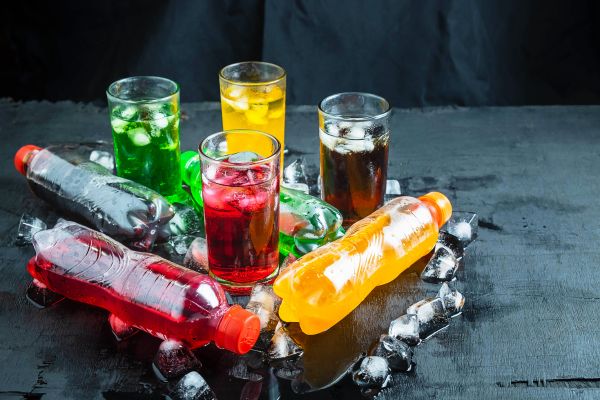
Although consumers are getting more health conscious, carbonated soft drinks are still in demand. These drinks are widely sold and easy for everyone, normally packed in bottles and cans. They are still widely consumed thanks to their refreshing and flavorful features, making them perfect drinks to quench thirst and satisfy sweet cravings. However, as people are worried about the sugar content, brands have launched new versions of soft drinks, including zero-sugar and naturally flavored ones.
Explore the gases used in beverages:
Explore the most common gas applications in the food and beverage industry
Juices
Along with the rising demand for healthy products, pre-packaged juices are a big segment in beverage manufacturing. In addition to common fruits like oranges or apples, the juice industry also allows exotic fruits to be accessed more easily worldwide. Moreover, juice drinks are constantly innovated with added vitamins, probiotics, or functional ingredients.
Energy drinks
Hectic lifestyles are the main driver of the increase of energy drink consumption, as people tend to look for drinks that can boost their energy levels. The most popular energy drinks often contain caffeine, taurine, and some vitamins, and are packed in plastic bottles or aluminum cans.
Ready-to-drink teas and coffees
Ready-to-drink teas and coffees are among the fastest-growing categories in beverage manufacturing. This segment also opens more opportunities for brands to create new drinks with unique flavors and tastes, which attracts young consumers a lot.
Dairy and plant-based milks
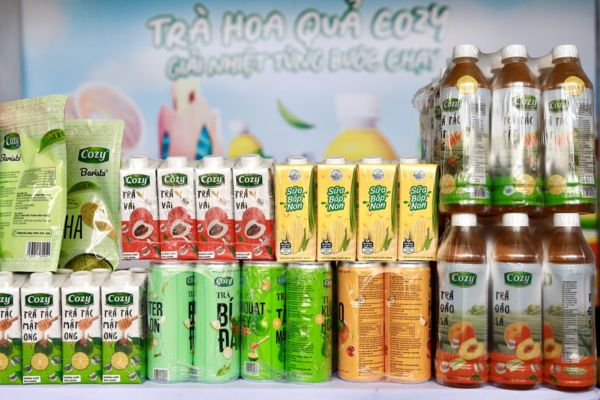
Global production of traditional dairy products, such as milk, flavored milk, or yogurt drinks, is still extensive. However, plant-based milks are also becoming increasingly popular and growing rapidly recently. The most common types are from almond, oat, soy, and coconut milks. They are ideal alternatives for vegetarians and those allergic to lactose.
Conclusion
From researching, selecting ingredients to packing final products, beverage manufacturing involves all steps to make a beverage from a concept. If you are looking for a prestigious beverage manufacturer, FGC is a worthy consideration. We also offer private label service, which allows you to create your own brand at a reasonable price.
About Future Generation Co.,Ltd
Future Generation Company Limited is one of the largest beverage suppliers in Vietnam, with 30 years of experience in production and export. FGC is equipped with modern machines, such as Hotfill PET and TetraPak, ensuring high-capacity production. We strive to achieve our mission to become Vietnam’s leading healthy beverage company. Our factories also meet international standards, such as ISO, HACCP, etc. In addition, we constantly innovate our machinery system, strengthen production capacity, and increase productivity.
FGC also provides Private Label Services. With this service, we can help customers to research and formulate beverages, design product labels and packaging, and create their own brands. This is an ideal solution for small and medium enterprises. Moreover, FGC provides free samples for customers to test before bulk orders. We also ensure delivery as fast as possible.
Contact
Address: R4 building, Office Quarter 02, Royal City, 72A Nguyen Trai St., Thanh Xuan Ward, Hanoi.
Phone: +84 24 73 000 125/ +84 24 73 063 369
Mail: info@vietnam-tea.com
Website: https://oem-fgc.com/
Facebook: https://www.facebook.com/fgcvietnamtea