Discover key trends, consumer insights, and opportunities shaping the beverage landscape in APAC.
Introduction
The Asia-Pacific (APAC) region has become one of the most dynamic and fast-evolving beverage markets worldwide. Consumer preferences are constantly evolving, reflecting both long-standing traditions and contemporary lifestyles. The APAC beverage landscape offers both opportunities and challenges for global and local brands. Understanding the trends, customer insights, and regulatory requirements is crucial for businesses to succeed in this competitive market.
1. Market overview
The Asia Pacific region has undergone rapid development to become a global hub for the beverage industry. The Asia Pacific is home to approximately 60% of the world’s population, offering numerous opportunities for beverage companies to find the right niche and strike the right balance. This market is projected to continue its upward trend in the next few years, especially in the non-alcoholic beverage segment. The functional drinks, with additional health benefits, are expected to grow to $106.7 billion in 2025.
Currently, some key beverage players in the APAC area include Nestlé, Pepsico, Unilever, Suntory, and Asahi Groups. China has been the dominant market because of its large population, rising middle class, and urbanization.
2. Key drivers of the beverage industry in APAC
Rising disposable income is one of the key drivers for the expansion of the beverage market in APAC. This leads to an increase in the purchasing power of consumers and enlarges the beverage options that they can choose.
Furthermore, due to urbanization, APAC consumers are getting busier, leading to an increase in demand for convenient and on-the-go drinks. Additionally, their lifestyles are reshaped with the rise of health and wellness awareness. Consumers have gradually changed from sugary soft drinks to healthier alternatives or beverages with functional benefits. In 2023, functional beverage sales reached about 2 billion units, including energy drinks, sports drinks, juices, and so on.

Demographic shifting is also a significant driver affecting the beverage industry in APAC. This region has a sizable and relatively young population, mainly Millennials and Gen Z. Younger consumers are often more adventurous and have a strong preference for innovation and unique beverage experiences. Brands can leverage this feature to continually innovate and create new products with novel flavors.
Exploring the next generation of drink consumers – Gen Alpha:
3. Challenges for beverage brands in APAC
The APAC beverage landscape offers a wide variety of opportunities for businesses, but sustainable development is not without challenges. Large markets like China and India are so complicated for brands to cover the whole country. Besides, before entering any markets, beverage companies should have a specific and strategic approach. It is because of the diversity in cultures, nuances, and habits.
Furthermore, each country typically has distinct requirements and regulations for various types of beverages. For example, the use of several citrus flavorants that are often used in Western formulations is restricted by Japan’s strict regulations on the amount of synthetic aldehyde in drinks. Many countries, like Thailand or Vietnam, have issued regulations on sugar consumption and forced sugar taxes, pushing brands to innovate with low-sugar or sugar-free versions.

4. Impacts of the rising awareness of women’s health globally
The global F&B market has witnessed growing women’s health awareness, including in the Asia Pacific region. It delivers a unique chance for businesses to innovate and develop new products with an aim to help women live a healthier and more confident lifestyle. Many brands have been researched and addressed nutritional and wellness needs, from maternal nutrition to mental health.
One of the product lines that benefits most from this trend is dairy products. APAC is the most populated region with the greatest number of births each year, so it has become the market leader in maternal dairy products’ advancements. 71% of Chinese moms-to-be and moms with babies believed that consuming dairy products regularly is necessary. Brands can take advantage of this trend to offer more nutritional value to their consumers. Incorporating their products with natural and flavorful ingredients and diversifying product types, like yogurt drink and cheese, are also smart ways to improve the value and taste of their maternal products.
In addition, herbal or traditional ingredients are essential for women’s health cures in almost all Asian nations. While looking for treatments for women’s health issues, Asian consumers often prefer their local and natural ingredients. Therefore, combining traditional remedies with modern formulas can create more appealing products.

5. Longevity becoming consumer priority
As consumers’ concern of longevity is rising, beverage companies can take advantage of this insight to improve their products with more proactive health solutions. It increases the demand for healthy drinks or those with additional health benefits. Brands can raise consumers’ quality of life and trust by providing useful, reasonably priced, and efficient solutions. Through longevity claims, companies have the chance to highlight how a healthy diet contributes to longer and more fulfilling lives.
A survey conducted by Mintel in 2024 pointed out that the majority of people in APAC nations were motivated to buy healthy products if they could help them live longer, especially in Indonesia and the Philippines. According to Innova, healthy aging food and beverage launches have grown by 15% CAGR over the last five years in APAC.
Green tea is the dominant ingredient with an immune health claim. Besides, gut health is a key focus, with hot tea, drinking yogurt, and dairy alternatives dominating product launches. Dairy alternatives have also gained attention, with a strong growth of about 57% from 2019 to 2024. The consumer’s interest in gut health has paved the way for the development of prebiotic drinks, especially in Southeast Asia.
In addition, brands can emphasize longevity building through mental health support. Mental health issues like stress and lack of sleep for a long time could significantly impact our well-being. Half of Thai consumers make an effort to minimize aging by maintaining good mental health. Many brands started launching beverages with sleep-support ingredients, like passionflower and chamomile.
6. Importance of flavor innovations
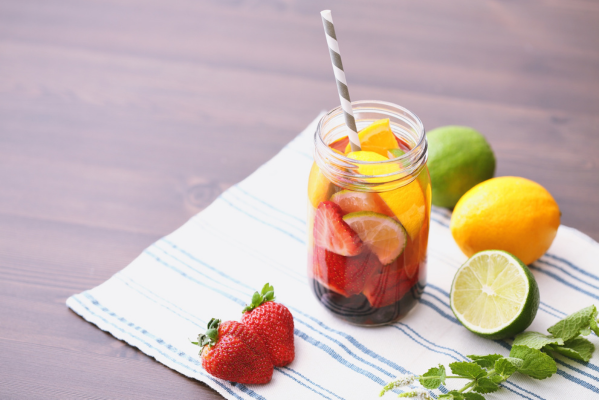
Flavor is one of the key factors in attracting and retaining loyal customers, as taste still remains a top priority. 72% of Thai consumers said that flavor was their no.1 driver when purchasing a coffee product, followed by price at 49%. Another research by Mintel showed that 60% of Thai consumers perceive “tasty” to be a crucial factor when purchasing drinks with added health benefits.
Flavor innovation is also a remarkably differentiating factor, making your brands and drinks stand out from others. Many exotic and complicated flavor blendings have been researched and launched, including floral combinations, herbs, botanicals, and spices. Delightful dessert-inspired flavors are finding their way into drinks, providing customers with familiar taste in new and modern ways.
Conclusion
The beverage landscape in APAC is diverse and dynamic, blending traditional and cutting-edge innovations. Women’s health, longevity, and flavor innovations are gaining attention among consumers. Before entering this vast market, it is essential for beverage brands to understand the nuances, cultures, and regulatory requirements of each market.
About Future Generation Co.,Ltd
Future Generation Company Limited is one of the largest beverage suppliers in Vietnam, with 30 years of experience in production and export. FGC is equipped with modern machines, such as Hotfill PET and TetraPak, ensuring high-capacity production. We strive to achieve our mission to become Vietnam’s leading healthy beverage company. Our factories also meet international standards, such as FSSC, ISO, HACCP, etc. In addition, we constantly innovate our machinery system, strengthen production capacity, and increase productivity.
FGC also provides Private Label Services. With this service, we can help customers to research and formulate beverages, design product labels and packaging, and create their own brands. This is an ideal solution for small and medium enterprises. Moreover, FGC provides free samples for customers to test before bulk orders. We also ensure delivery as fast as possible.
Contact
Address: R4 building, Office Quarter 02, Royal City, 72A Nguyen Trai St., Thanh Xuan Ward, Hanoi.
Phone: +84 24 73 000 125/ +84 24 73 063 369
Mail: info@vietnam-tea.com
Website: https://oem-fgc.com/ – https://vietnam-tea.com/
Facebook: https://www.facebook.com/fgcvietnamtea
LinkedIn: https://www.linkedin.com/company/fgcvietnamtea/
Alibaba: https://fgcvietnam.m.trustpass.alibaba.com/
Sources:
https://www.mintel.com/insights/food-and-drink/asia-pacific-food-drink-landscape/
https://www.innovamarketinsights.com/trends/health-and-wellness-trends-in-asia-pacific/