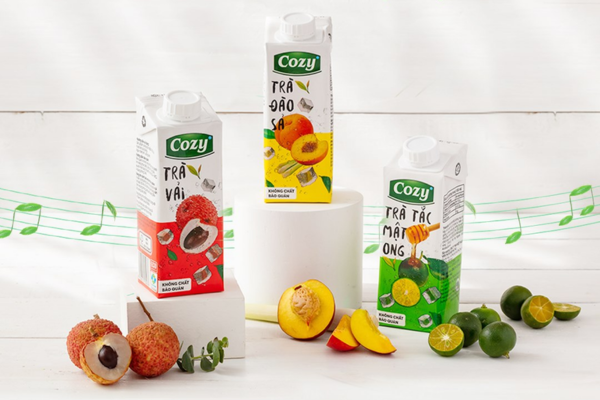
Why does ready-to-drink tea in paper boxes taste better? Explore UHT, Aseptic technology, and advanced packaging – Key factors that protect its natural freshness.
Introduction
Ready-to-drink tea (RTD tea) comes in various packaging options, including PET bottles, aluminum cans, and paper cartons. While paper cartons are favored for their eco-friendliness, many consumers also find that they taste better than others. If you’re a fan of RTD tea, you may have noticed this difference. But what exactly makes tea in paper boxes taste better than in plastic bottles or aluminum cans?
The unique taste of tea in paper boxes isn’t just a marketing claim – it’s the result of advanced food science, innovative processing techniques, and smart packaging design. These elements work together to keep the tea fresh and flavorful, making it taste closer to freshly brewed tea.
This article will delve into the key technologies that enhance the taste of RTD tea in paper cartons. Ultra High Temperature (UHT) processing preserves freshness without chemical preservatives, Aseptic filling ensures product integrity, and multi-layer carton packaging protects against flavor loss. These innovations work together to deliver a naturally refreshing tea experience in a convenient format.
UHT technology: Locking in freshness without preservatives
Ultra-high temperature processing (UHT) is an advanced processing technology that sterilizes liquid food by heating it to an extremely high temperature (typically 135-150°C/275–302°F) for a few seconds (2-5 seconds). This flash heating eliminates harmful microorganisms and deactivates enzymes that cause spoilage without significantly altering the tea’s flavors and compounds. After that, the liquid is rapidly cooled down to room temperature and immediately transferred to an Aseptic filling, ensuring a completely sterile environment. This combination of UHT and Aseptic filling is the key to preserving the fresh, natural flavor of the tea.
With UHT, heat exposure is minimal compared to traditional methods, thereby preserving the aroma and taste of tea. Tea contains polyphenols and catechins, which contribute to its rich taste and health benefits. UHT ensures these compounds remain intact, maintaining a refreshing and full-bodied flavor. Moreover, as UHT is effective in eliminating harmful microorganisms, it prevents spoilage without using any preservatives, helping to retain the natural flavor of the tea without interference from artificial additives.
Aseptic filling technology: Reduce flavor degradation
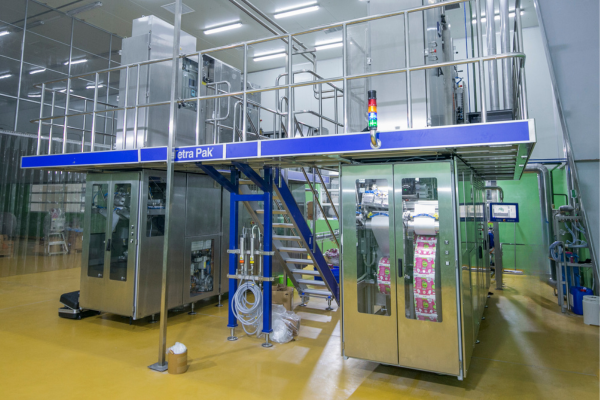
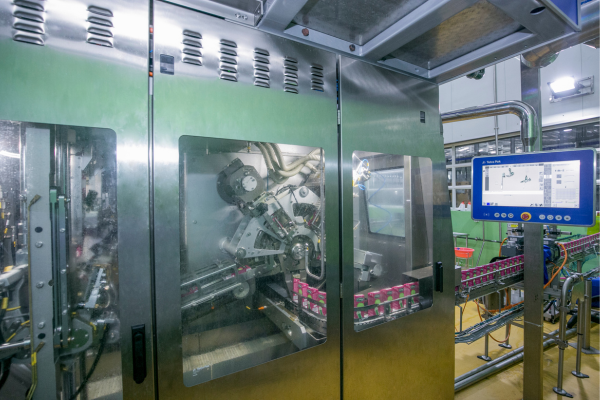
Aseptic filling is an important factor in maintaining the pure, fresh taste of RTD tea. Here, the liquid which has been cooled to approximately 25°C is filled into sterile containers in a sterile environment. This method ensures that tea is sterile at every stage of production, eliminating contamination and oxidation, which can compromise the taste and the quality of RTD tea in paper boxes.
Compared to hot filling technology where the product is held and filled at high temperature (84-87°C) for about 3 minutes, Aseptic is superior in preserving product flavor. While hot filling can cause heat damage to some tea compounds, leading to a slightly “cooked” or altered taste, Aseptic filling prevents thermal degradation and ensures the tea tastes as fresh as it was brewed.
With Aseptic technology, the tea is rapidly cooled down after undergoing UHT treatment. This means less heat exposure, minimizing heat-induced flavor changes, resulting in a more flavorful and refreshing taste. In addition, with no microbial activity and no chemical preservatives, the tea retains its authentic brewed flavor, from the day it is packaged to the moment it is consumed.
Multi-layer paper cartons: Superior protection against external factors
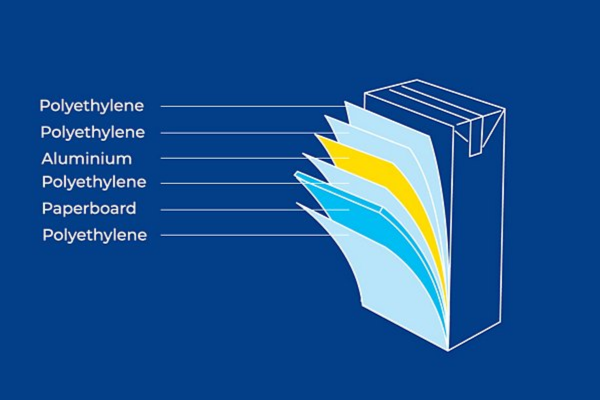
Paper cartons provide superior taste preservation for RTD tea. Though they may seem like simple packaging, they are actually made of advanced multi-layer composite materials designed to safeguard delicate flavors and maintain product freshness. A typical aseptic carton contains six distinct layers:
- Outermost polyethylene layer: Provides moisture resistance and printing surface.
- Paper layer: Offers structural rigidity and physical protection.
- Polyethylene bonding layer: Ensures adhesion between materials.
- Aluminum foil layer: Creates a nearly perfect barrier against oxygen, light, and external odors.
- Polyethylene bonding layer: Joins the barrier layer to the food-contact layer.
- Food-grade polyethylene inner layer: Provides a safe, inert surface for direct product contact.
This multi-layer design acts as a strong barrier against the main factors that degrade tea flavor: oxygen, light, and external odors.
Paper cartons effectively block harmful UV rays which can break down tea compounds like tea polyphenols and chlorophyll, leading to both flavor changes and color fading. The microscopic aluminum foil layer within the carton structure provides an oxygen transmission rate that approaches zero. Thus it prevents oxidation and helps retain the tea’s original sweetness and aroma. By combining Aseptic technology with multi-layer packaging, RTD tea in paper boxes remains fresh, natural, and free from unwanted taste alterations.
Conclusion
The superior taste of RTD tea in paper boxes is not a coincidence. It is the result of a carefully designed process that ensures freshness and natural flavor preservation. If UHT technology ensures tea remains fresh and safe without preservatives, Aseptic filling technology is the key to preserving the natural and authentic taste. Multi-layer paper cartons contribute to it by protecting the tea from light, oxygen, and unwanted chemical interactions, ensuring a pure, smooth, and authentic tea experience. For consumers looking for the freshest, most natural-tasting RTD tea, paper box packaging with Aseptic technology is the ultimate solution.
About Future Generation Co., Ltd
Future Generation Company Limited is one of the largest beverage suppliers in Vietnam, with 28 years of experience in production and export. FGC is equipped with modern machines such as Hotfill and TetraPak, ensuring high-capacity production. FGC strives to achieve our mission to become Vietnam’s leading healthy beverage company. Our factories also meet international standards such as ISO, HACCP, etc. In addition, we constantly innovate our machinery system, strengthen production capacity, and increase productivity.
FGC also provides Private Label Services. With this service, we can help customers research and formulate beverages, design product label packaging, and create their own brands. This is an ideal solution for small and medium enterprises. Moreover, FGC provides free samples for customers to test before bulk orders. We also ensure delivery as fast as possible.
Contact
Address: R4 building, Office Quarter 02, Royal City, 72A Nguyen Trai St., Thanh Xuan Dist., Hanoi.
Phone: +84 24 73 000 125/ +84 24 73 063 369
Mail: info@vietnam-tea.com
Website: https://oem-fgc.com/
Facebook: https://www.facebook.com/fgcvietnamtea
LinkedIn: https://www.linkedin.com/company/fgcvietnamtea/
Source:
The Incredible Benefits of Tetra Pak 6-Layer Packaging Used by FGC